New Method to Track CO2 Emissions in Streams
UMass Amherst researchers unveil carbonate buffering's role in CO2 emissions, challenging tracking methods in water bodies.
Source: newswise.com
Stay updated with breaking news from Climate Sciences. Get real-time updates on events, politics, business, and more. Visit us for reliable news and exclusive interviews.

UMass Amherst researchers unveil carbonate buffering's role in CO2 emissions, challenging tracking methods in water bodies.

<p>A team of researchers from the University of Massachusetts Amherst that specializes in accounting for the carbon dioxide release by streams, rivers and lakes recently demonstrated that the chemical process known as “carbonate buffering” can account for the majority of emissions in highly alkaline waters. Furthermore, carbonate buffering distorts the most commonly used method of tracking the origins of CO<sub>2</sub> in streams. The research, published in <a href="https://doi.org/10.1029/2023GB007860" target="_blank">Global Biog...
In 2024 we could exceed 1.5°C global warming for the first time. Here is what the consequences could be for life on the planet.
Over the course of the five-year grant, IIT Delhi will elect an academic with noteworthy contributions in the area of climate sciences and technology to expand the existing talent pool in this field from the Global South.
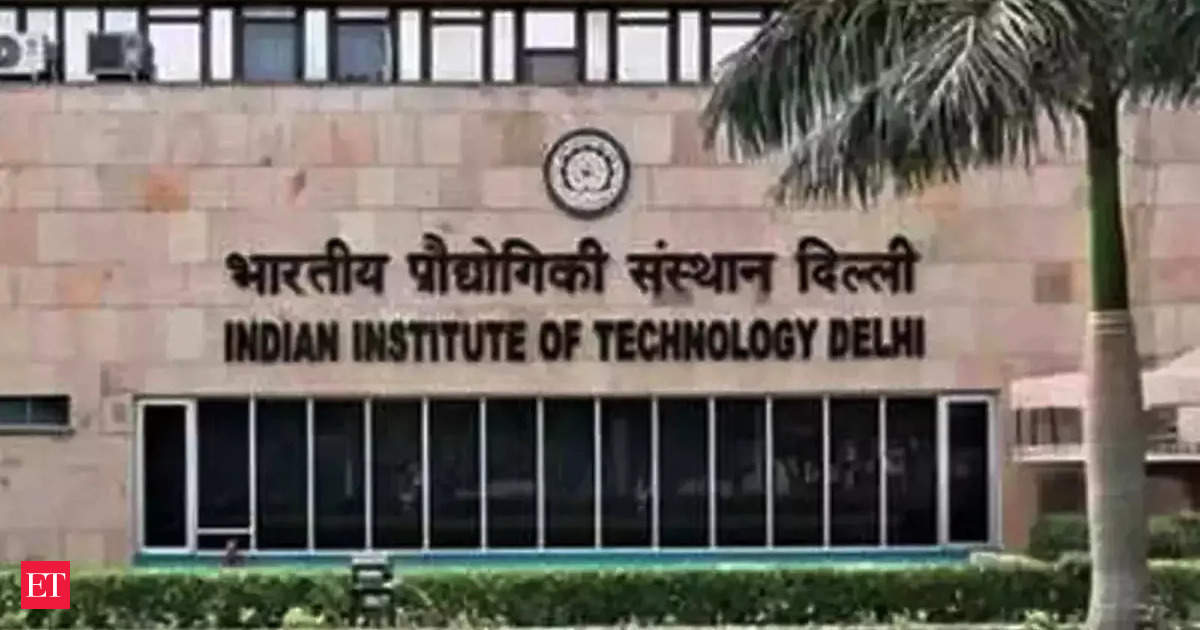
The Rockefeller Foundation announced a grant of $125,000 to Indian Institute of Technology, Delhi, to establish a Climate Sciences and Technology Chair. This collaboration aims to expand the talent pool in climate sciences from the Global South and provide resources to shape future climate policy action. Over the five-year grant, the institute will hold two climate-centric convenings to discuss advances in tackling climate change.