Discovery of earliest animals' last supper unravels mystery- study
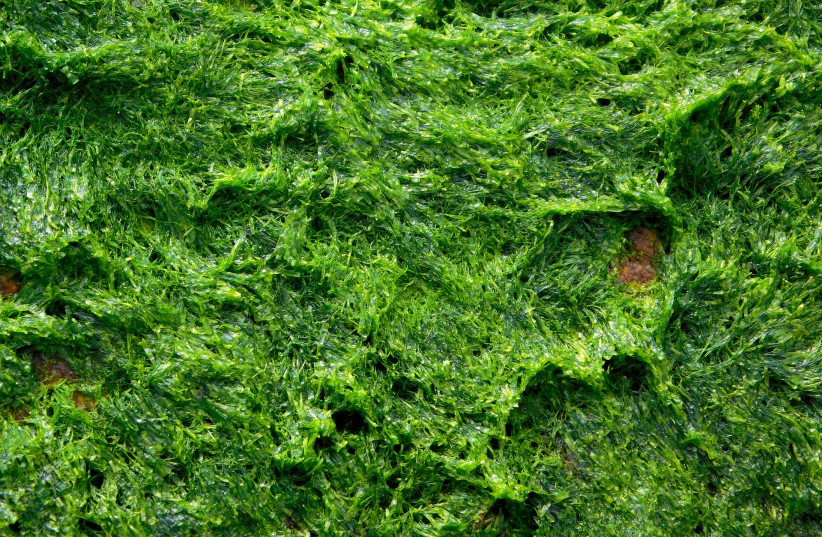
Scientists analyzed the world's oldest large organisms dating back 575 million years — and found that the ancient beings ate bacteria and algae that came from the ocean floor.
Stay updated with breaking news from Jochen Brocks. Get real-time updates on events, politics, business, and more. Visit us for reliable news and exclusive interviews.
Scientists analyzed the world's oldest large organisms dating back 575 million years — and found that the ancient beings ate bacteria and algae that came from the ocean floor.
Remains of slug-like Ediacaran animal Kimberella contain compounds suggesting it had a gut and ate bacteria and algae from the ocean floor
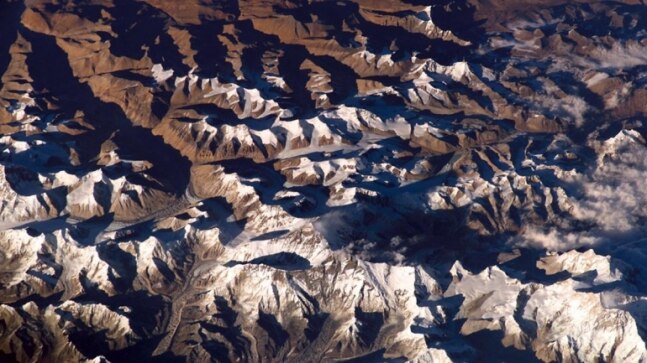
Stretching up to 8,000 kilometers across, they were nearly four times the length of the present-day Himalayan ranges and formed twice in Earth's history.
Evidence of an earlier supermountain, during the formation of Nuna has been added to the TransGondwanan supermountain, but three times the length of the HI
Giant mountain ranges at least as high as the Himalayas and reaching up to 8,000 kilometers over whole supercontinents played a critical role in the evolution of early life on Earth