One of the Oldest Examples of Nonnative Olive Cultivation Uncovered in Jordan
Archaeological remains in the Central Jordan Valley show evidence of the oldest example of olives being farmed outside their naturally-occurring range.
Stay updated with breaking news from Tel Tsaf. Get real-time updates on events, politics, business, and more. Visit us for reliable news and exclusive interviews.
Archaeological remains in the Central Jordan Valley show evidence of the oldest example of olives being farmed outside their naturally-occurring range.
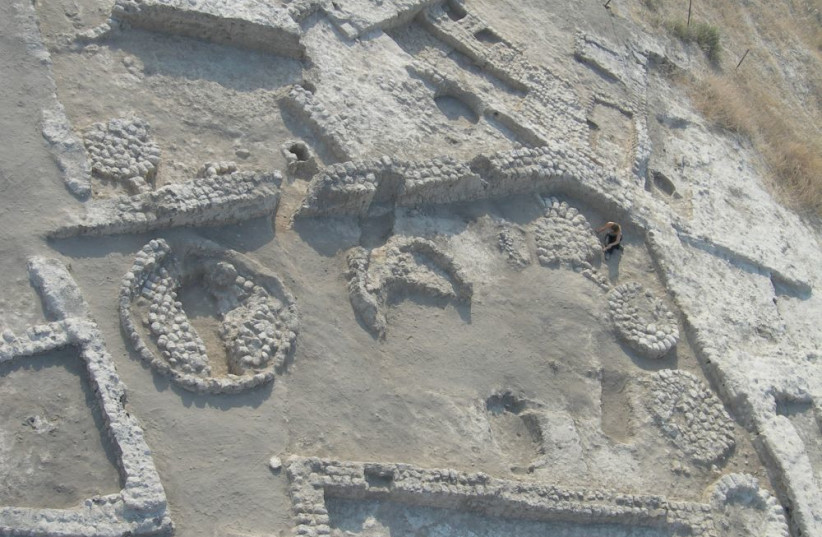
A joint study by Tel Aviv University and Jerusalem’s Hebrew University has found the earliest domestication of fruit trees, suggesting that olive and fig horticulture was practised as early as 7000 years ago in the Central Jordan Valley, Israel. The study based its conclusions on analysing the remnants of charcoal from the Charcolithic site of Tel Zaf in the Jordan Valley, proving they came from olive trees, which did not grow there naturally, according to the Tel Aviv University press release.
Analysis of charcoal from Tel Tsaf dig reveals olive and fig tree wood, indicating first examples of orchards by an advanced, wealthy society
Domestication may indicate initial steps in developing a socioeconomic hierarchy supported by administrative system.
Top Stories This Week: Arabian chivalry, Polish treasures, birch bark letters, social beer drinking in ancient times and the lost city of Lagash.