Vimarsana
Biggest News Aggregation in the World

Page 2 - Behavior Research Foundation News Today : Breaking News, Live Updates & Top Stories | Vimarsana

Stay updated with breaking news from Behavior Research Foundation. Get real-time updates on events, politics, business, and more. Visit us for reliable news and exclusive interviews.

Top News In Behavior Research Foundation Today - Breaking & Trending Today

Study Suggests Adolescent Stress May Raise Risk of Postpartum Depression in Adults - Vimarsana News

Study Suggests Adolescent Stress May Raise Risk of Postpartum Depression in Adults

In a new study, a Johns Hopkins Medicine-led research team reports that social stress during adolescence in female mice later results in prolonged elevation of the hormone cortisol after they give birth. The researchers say this corresponds to the eq

Postpartum depression after adolescent stress shows a dysregulated HPA axis: a cross-species translational study - Vimarsana News

Postpartum depression after adolescent stress shows a dysregulated HPA axis: a cross-species translational study

This serious mental health problem resists treatment, but a mouse model shows a potential new treatment. This serious mental health problem resists treatment, but a mouse model shows a potential new treatment.Adverse lif...

Source: uab.edu
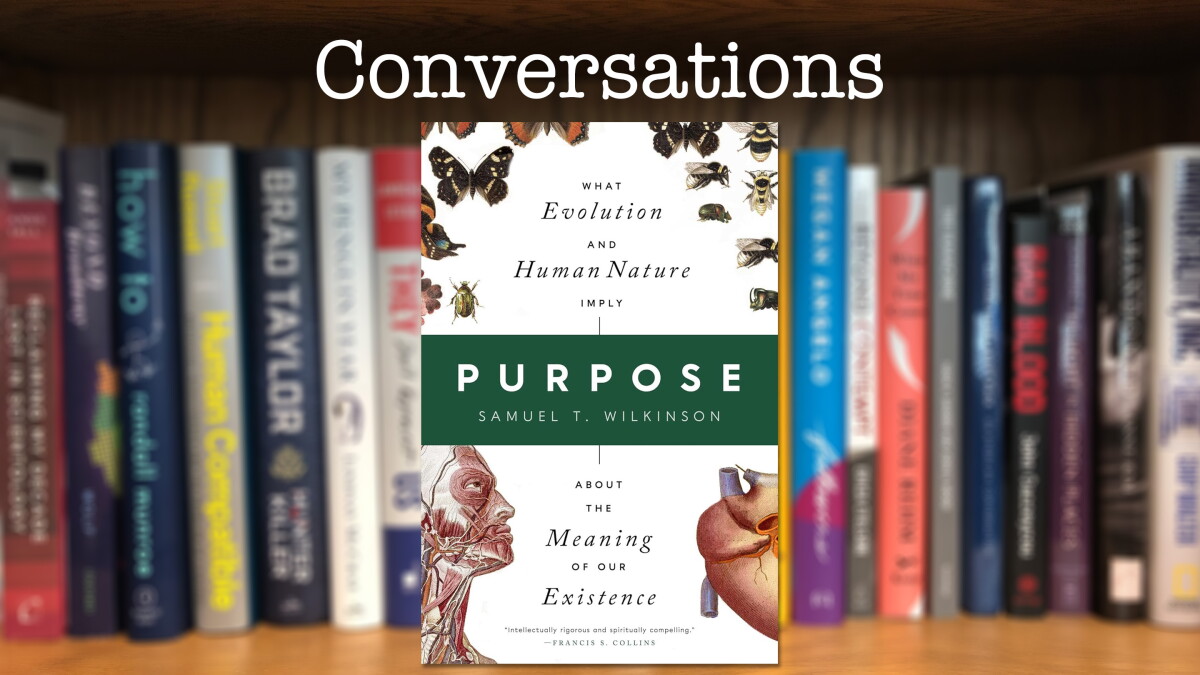
"Purpose: What Evolution and Human Nature Imply" - Vimarsana News

"Purpose: What Evolution and Human Nature Imply"

On this edition of Conversations, Samuel T. Wilkinson talks with host Dan Skinner about \“Purpose: What Evolution and Human Nature Imply.\”

Teen stress may boost risk of postpartum depression later - Vimarsana News

Teen stress may boost risk of postpartum depression later

Stress during adolescence may increase risk of postpartum depression in adulthood, a new study with mice finds.

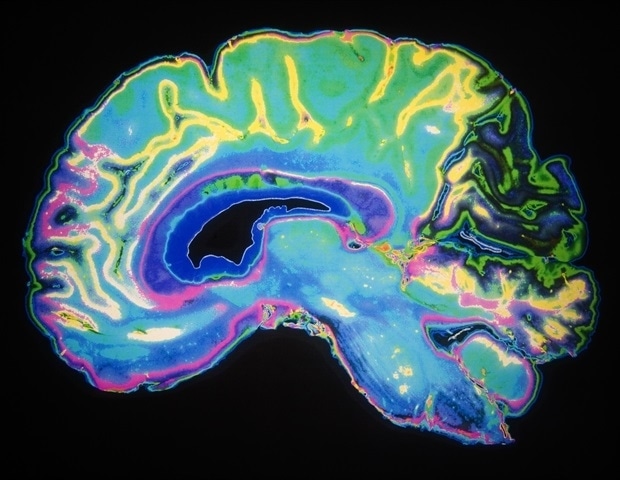
Novel brain organoid model unveils link between inflammation and astrocyte dysfunction - Vimarsana News

Novel brain organoid model unveils link between inflammation and astrocyte dysfunction

The brain is typically depicted as a complex web of neurons sending and receiving messages. But neurons only make up half of the human brain.