Atmospheric carbon might turn lakes more acidic, scientists say
U.S. scientists have placed sensors on a buoy in Lake Huron to follow water chemistry trends. They hope eventually to do likewise in the other Great Lakes.
Source: nwitimes.com
Stay updated with breaking news from Beth Stauffer. Get real-time updates on events, politics, business, and more. Visit us for reliable news and exclusive interviews.

U.S. scientists have placed sensors on a buoy in Lake Huron to follow water chemistry trends. They hope eventually to do likewise in the other Great Lakes.

The Great Lakes have endured a lot the past century, from supersized algae blobs to invasive mussels and bloodsucking sea lamprey that nearly wiped out fish populations.

Scientists say the atmospheric carbon overload responsible for global warming might also be making large lakes more acidic
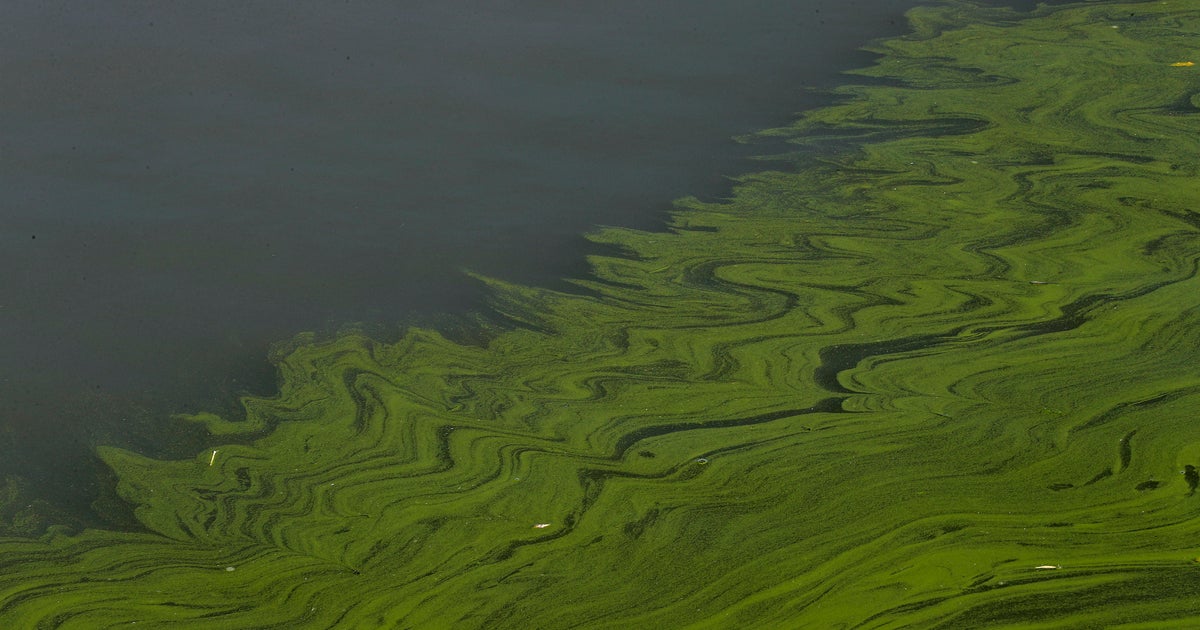
The Great Lakes have endured a lot the past century, from supersized algae blobs to invasive mussels and bloodsucking sea lamprey that nearly wiped out fish populations.

Scientists are building a sensor network to spot Lake Huron water chemistry trends. It's a first step toward a hoped-for system that would track carbon dioxide and pH in all five Great Lakes over multiple years.