Vimarsana
Biggest News Aggregation in the World

Cell Reports Physical Sciences News Today : Breaking News, Live Updates & Top Stories | Vimarsana

Stay updated with breaking news from Cell Reports Physical Sciences. Get real-time updates on events, politics, business, and more. Visit us for reliable news and exclusive interviews.

Top News In Cell Reports Physical Sciences Today - Breaking & Trending Today

King's scientists discover enzyme used in laundry detergent can recycle single-use plastics - Vimarsana News

King's scientists discover enzyme used in laundry detergent can recycle single-use plastics

Scientists at King's College London have developed an innovative solution for recycling single-use bioplastics commonly used in disposable items such as coffee cups and food containers. The novel ...

King's Scientists Use Laundry Detergent Enzyme to Recycle Single-Use Plastics - Vimarsana News

King's Scientists Use Laundry Detergent Enzyme to Recycle Single-Use Plastics

Scientists at King’s College London have developed an innovative solution for recycling single-use bioplastics commonly used in disposable items such as coffee cups and food containers.

Scientists Discover Chemical That Can Recycle Plastic in Just 24 Hours - Vimarsana News

Scientists Discover Chemical That Can Recycle Plastic in Just 24 Hours

The method of recycling discovered by scientists in the U.K. could recycle difficult plastics in just 24 hours.

Carbon Dioxide: The Unexpected Catalyst in the Fuel Cell Revolution - Vimarsana News

Carbon Dioxide: The Unexpected Catalyst in the Fuel Cell Revolution

Researchers have developed an efficient process that can convert carbon dioxide into formate, a material that can be used in fuel cells to generate electricity.

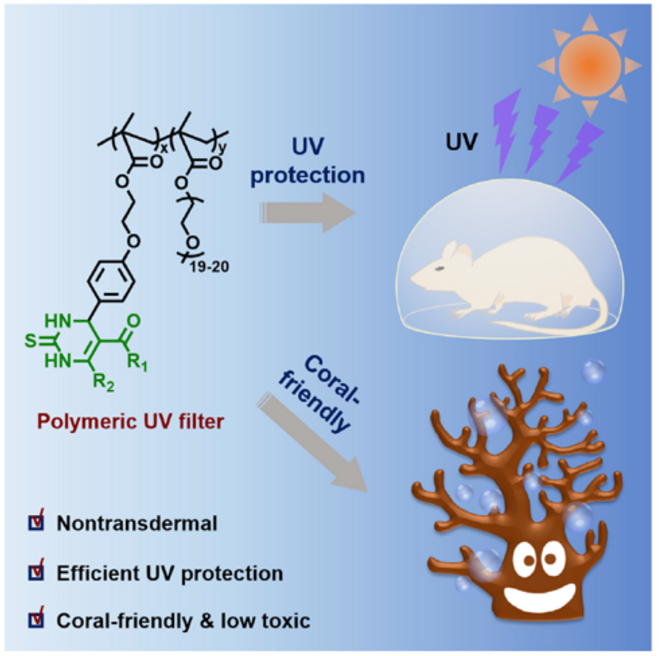
Exploration of a Bio-Friendly and Coral-Friendly Polymeric UV Filter - Vimarsana News

Exploration of a Bio-Friendly and Coral-Friendly Polymeric UV Filter

Scientists created a prototype for coral reef-friendly sunscreens by polymerizing large molecules that still prevent UV radiation but are too large to infiltrate human skin, coral, and algae.

Source: azom.com