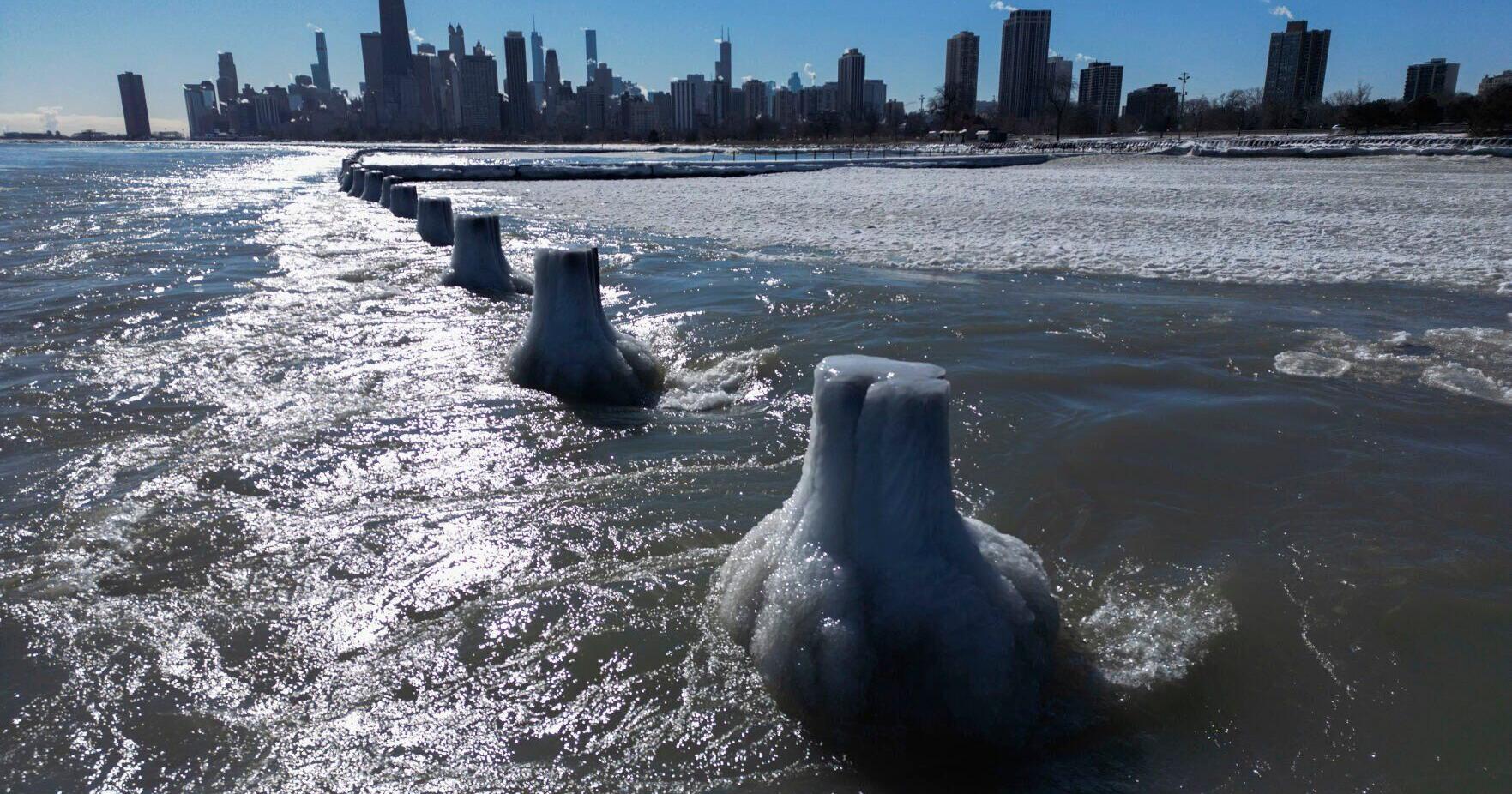
Fewer fish and more algae? Scientists seek to understand impacts of lack of Great Lakes ice
As climate change accelerates, scientists are scrambling to understand how iceless winters could affect the world's largest freshwater system.
Stay updated with breaking news from Eric Peace. Get real-time updates on events, politics, business, and more. Visit us for reliable news and exclusive interviews.
As climate change accelerates, scientists are scrambling to understand how iceless winters could affect the world's largest freshwater system.
“This year really drives home the point that we need to collect more data,” said Trista Vick-Majors, an assistant biology professor who studies aquatic ecosystems at Michigan Tech.
An unusually warm winter has left the Great Lakes all but devoid of ice and sent scientists scrambling to understand the possible consequences as climate change accelerates. Researchers believe that
“This year really drives home the point that we need to collect more data,” said Trista Vick-Majors, an assistant biology professor who studies aquatic ecosystems at Michigan Tech.