Seed biodiversity: The life insurance of our food production
Five countries protecting and preserving food biodiversity for resilient agri-food systems
Source: fao.org
Stay updated with breaking news from Field Schools. Get real-time updates on events, politics, business, and more. Visit us for reliable news and exclusive interviews.
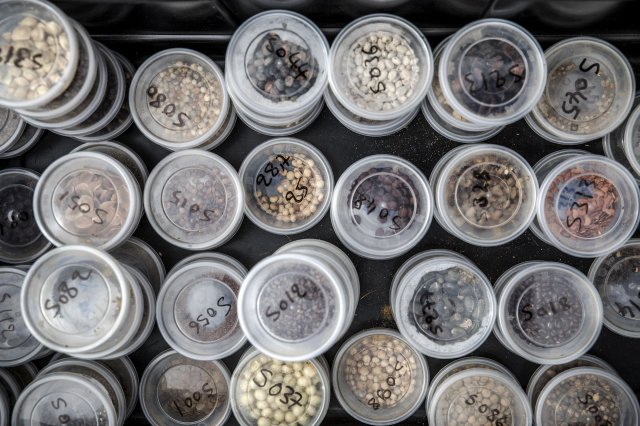
Five countries protecting and preserving food biodiversity for resilient agri-food systems

Checking is always a good thing. >> our program includes field schools and full-on missions. in order to document, we have to teach disciplines how that is done. the first day of training is in a classroom learning how to document chip bricks underwater. learning mapping which is the type of documenting that we're doing, teaching people how to parse the wreck and then how to document items of interest so that we can identify it. then we take the participants to the next stage which would be outside and we set up a mock wreck to give them situational awareness of what it is they're going to be ...
Five countries protecting and preserving food biodiversity for resilient agri-food systems Thousands of plant species and varieties that fed our ancestors are already extinct, and we are losing more every day. Diversity is our food’s life insurance. ©FAO/Luis Tato 21/05/2021 Humans rely on a shockingly low number of plants for the majority of our daily calories. In fact, of the thousands of fruit and vegetable species cultivated for food, fewer than 200 make up a substantial part of food produced globally. But what if climate change, invasive species, pollution, c...
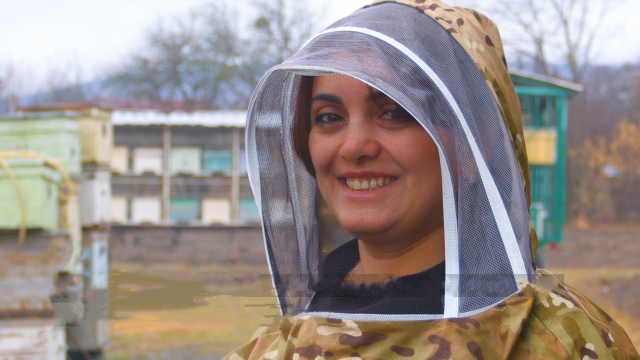
The challenge of BEE-ing in a pandemic Women are the new face of beekeeping in rural Georgia, helping keep a steady family income during COVID-19 By providing training on modern beekeeping techniques and best practises, FAO and the European Union are supporting Georgian beekeepers throughout the COVID-19 crisis. ©Delegation of the European Union to Georgia 19/05/2021 “For some reason, everyone thinks that a beekeeper should be a man, but that’s not the case here,” states Ketevan Bluishvili, a beekeeper from Matani village of the Kakheti region in eastern Georgi...
By Moses Zangar, Jr. For years, Kennedy Chilepa struggled to eke out a living growing maize and cowpeas on his farm in Zambia’s Mambwe District, where crop yields often take a big hit due to severe dry spells and floods, jeopardizing food security. Chilepa and many small-scale farmers in the country’s east had long relied on traditional farming methods to manage their crops. But such traditional know-how has become increasingly unreliable and are no longer sufficient to cope with a changing climate. Farmer Field School at Ngambwa camp in Nyimba district listen to the Camp Extension Office...