MIT's new aluminum-sulfur batteries could provide low-cost storage for renewable energy
MIT has released a new paper demonstrating an aluminum-sulfur battery that may just replace lithium-ion ones and be the key to storing renewable energy.
Stay updated with breaking news from Johnf Elliott. Get real-time updates on events, politics, business, and more. Visit us for reliable news and exclusive interviews.
MIT has released a new paper demonstrating an aluminum-sulfur battery that may just replace lithium-ion ones and be the key to storing renewable energy.
Engineers have created a battery from cheap, plentiful elements that might provide low-cost backup storage for renewable energy sources.
As the world builds out ever larger installations of wind and solar power systems, the need is growing fast for economical, large-scale backup systems to provide power when the sun is down and the air is calm. Today's lithium-ion batteries are still too expensive for most such applications, and other options such as pumped hydro require specific topography that's not always available.
MIT researchers have developed a new type of fast-charging battery, which is composed of abundant materials that are relatively cheap, and could meet sustainable energy storage needs in today’s world.
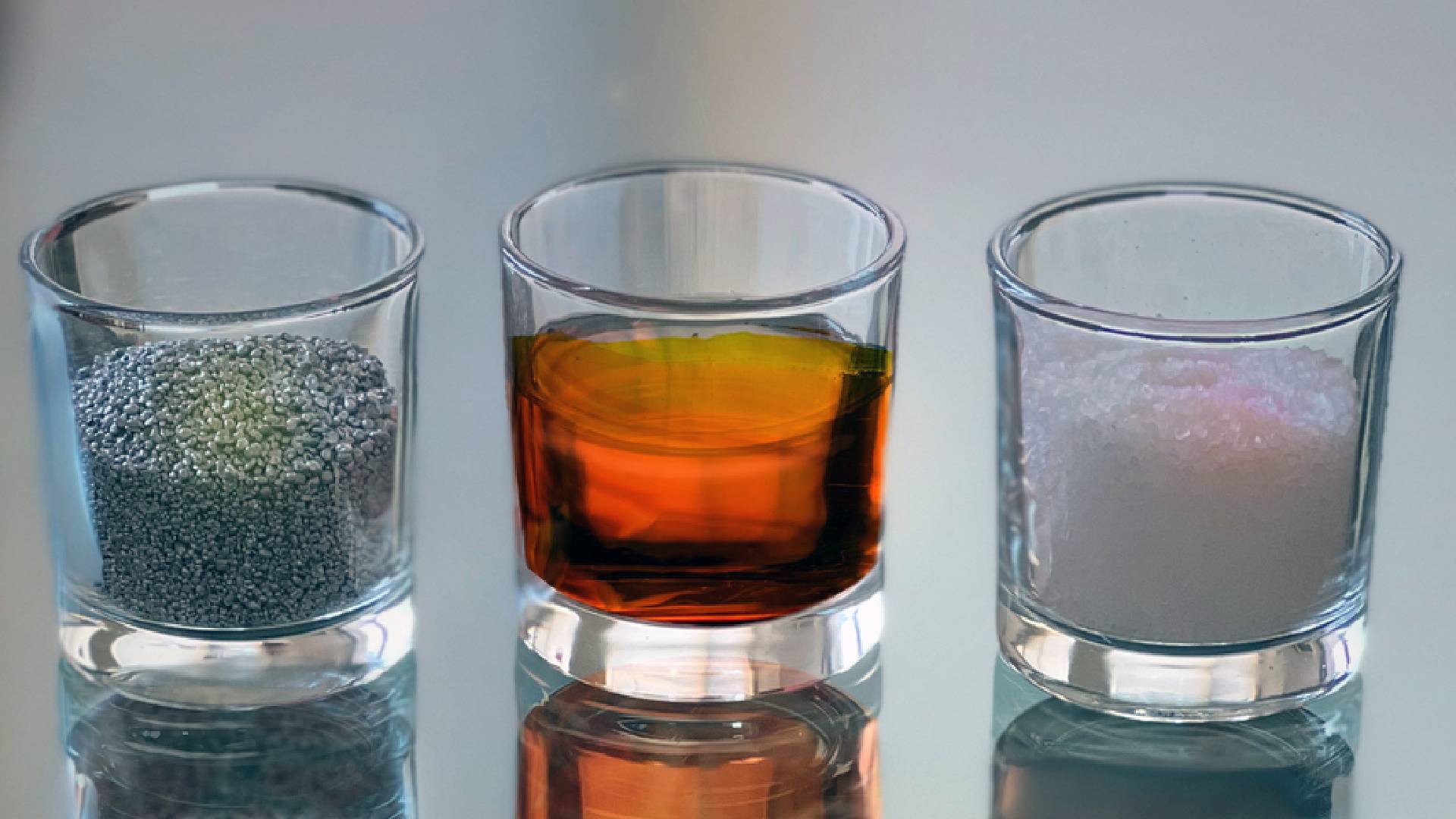
MIT engineers designed a battery made from inexpensive, abundant materials, that could provide low-cost backup storage for renewable energy sources. Less expensive than lithium-ion battery technology, the new architecture uses aluminum and sulfur as its two electrode materials with a molten salt electrolyte in between.