29 July 2023 – In Saner Thought
1 post published by lobotero on July 29, 2023
Source: lobotero.com
Stay updated with breaking news from Kolyma. Get real-time updates on events, politics, business, and more. Visit us for reliable news and exclusive interviews.

1 post published by lobotero on July 29, 2023

Another weekend with heat and sweat.....but I am happy to report that no one used a nuke....Russia is not marching down Main Street...on a more sad note....some Americans were shot....some famous person died.... It is Summer and vacation time....how about a trip to a haunted town for a change? There's an area that falls into…
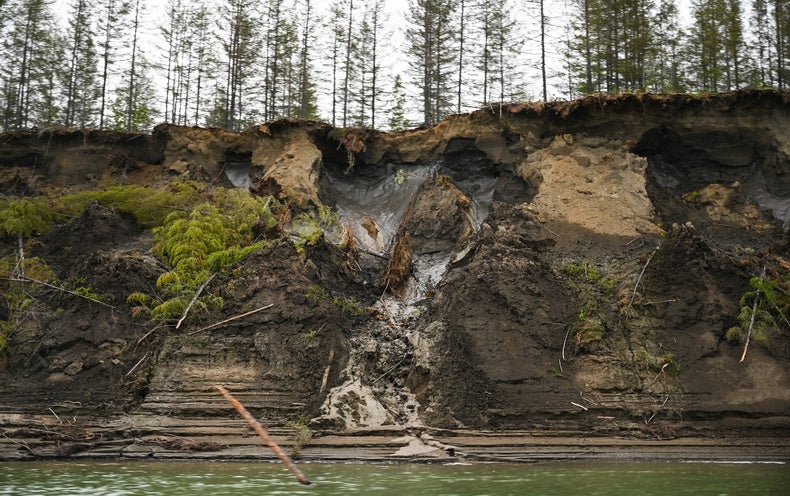
An international team of scientists says nematodes found in Siberian permafrost are 46,000 years old and survived using techniques similar to those of a modern lab favorite
Believed to have lived in the late Pleistocene, the time of the woolly mammoths, a small group of worms removed from Siberian permafrost and came 'back to life'.
Some organisms, such as tardigrades, rotifers, and nematodes, can survive harsh conditions by entering a dormant state known as “cryptobiosis.” In 2018, researchers from the Institute of Physicochemical and Biological Problems in Soil Science RAS in Russia found two roundworms (nematode) species in the Siberian Permafrost. Radiocarbon dating indicated that the nematode individuals have remained in cryptobiosis since the late Pleistocene, about 46,000 years ago. Researchers from the Max Planck Institute of Molecular Cell Biology and Genetics (MPI-CBG) in Dresden, the Center for Systems Biol...