ALERT: Another Chance to See Northern Lights in NY Next Week
The monster sunspot that produced historic auroras nationwide a few weeks ago is set to give planet Earth another show.
Source: 961theeagle.com
Stay updated with breaking news from Live Science. Get real-time updates on events, politics, business, and more. Visit us for reliable news and exclusive interviews.

The monster sunspot that produced historic auroras nationwide a few weeks ago is set to give planet Earth another show.
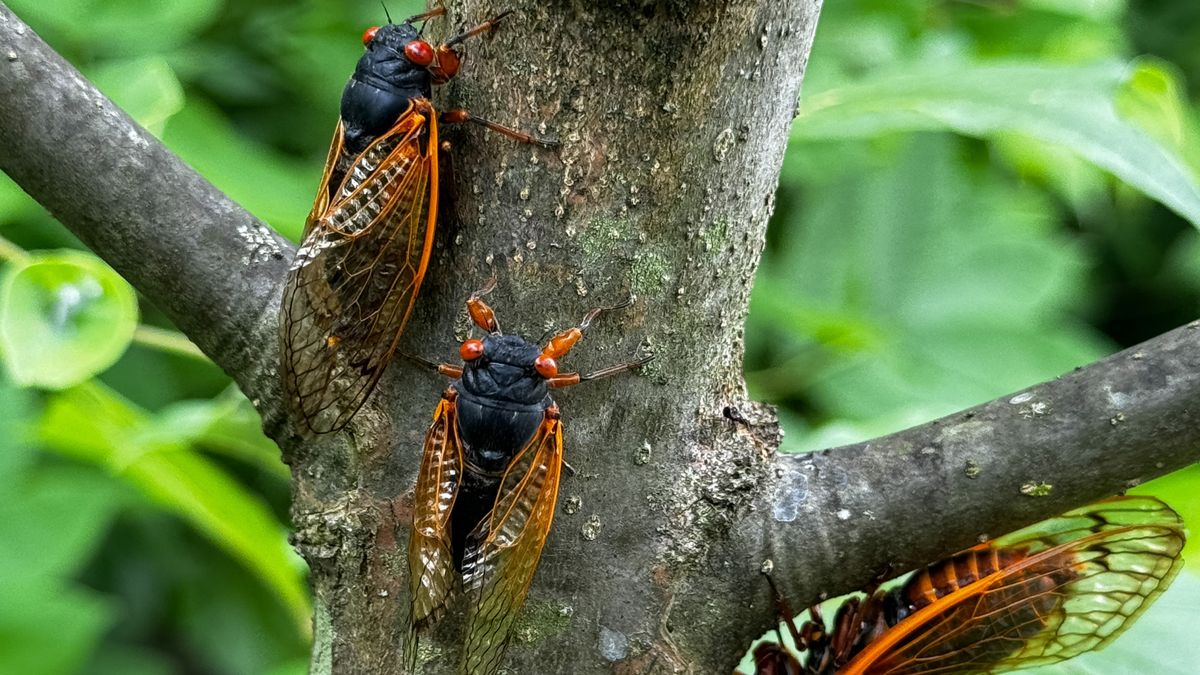
The "cicada-geddon" is the result of the co-emergence of Brood XIII and Brood XIX, with billions of bugs crawling out of the ground across parts of Eastern U.S.
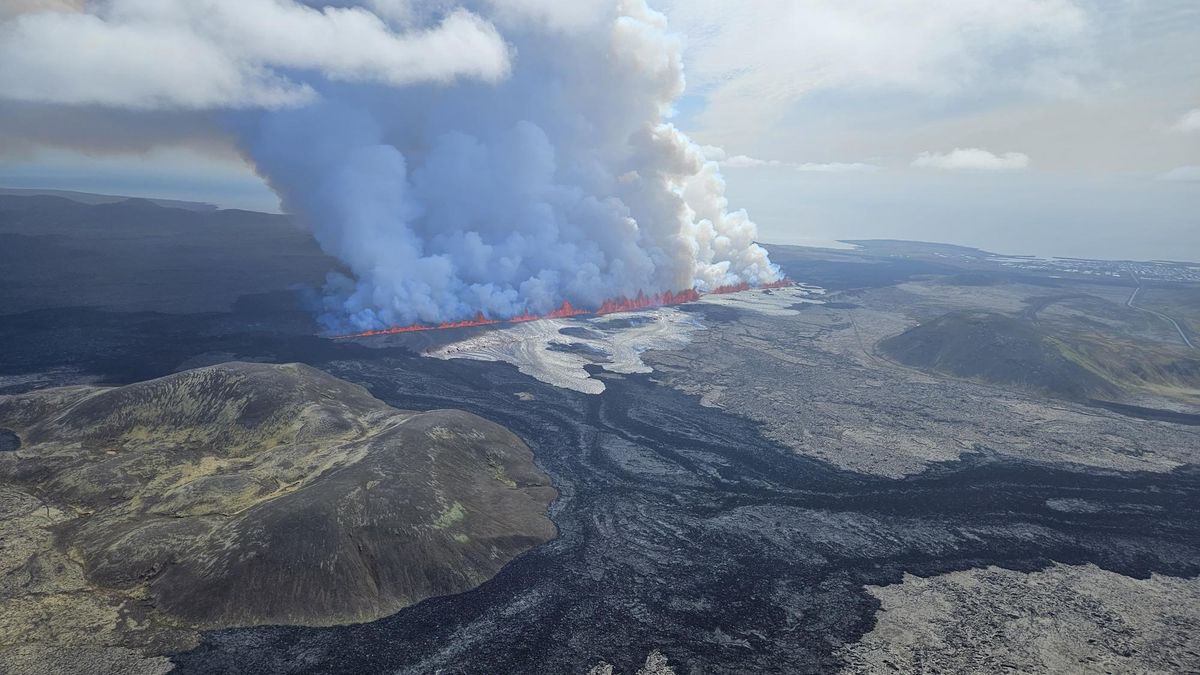
Icelandic authorities said residents and emergency responders should be ready to evacuate Grindavík at short notice after a new and ongoing eruption on the Reykjanes Peninsula.
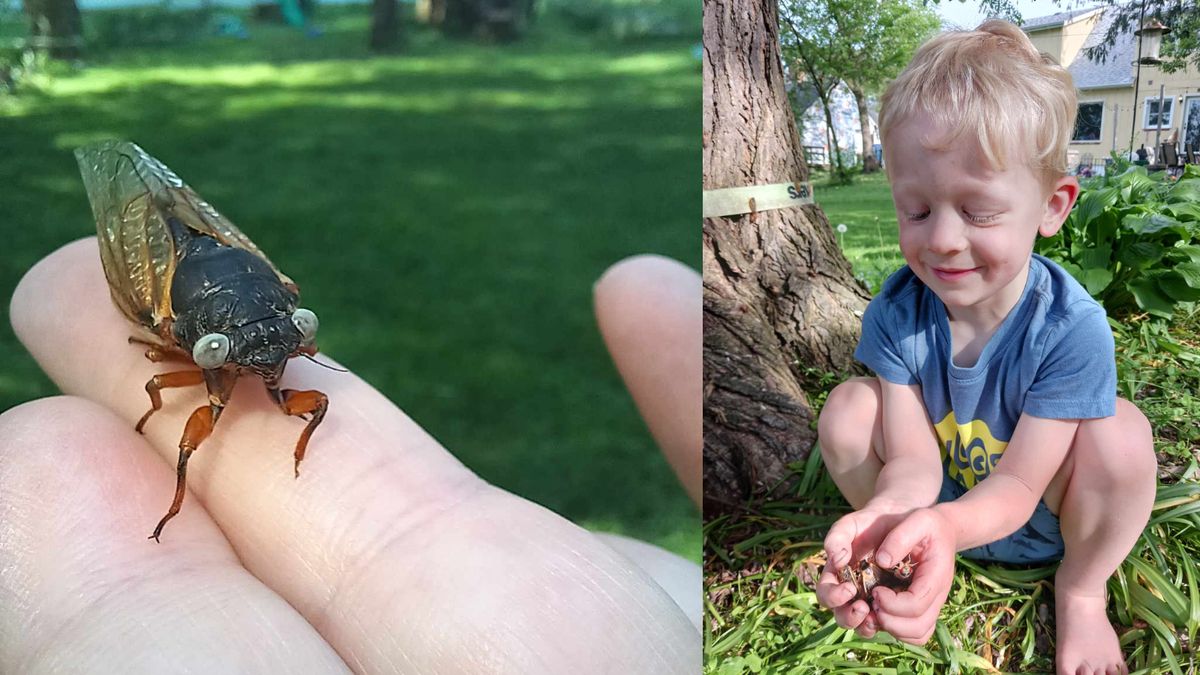
Most of the periodical cicadas emerging across the eastern U.S. in this year's rare dual emergence event have blood-red eyes, but sightings of blue-eyed variants have recently been reported.
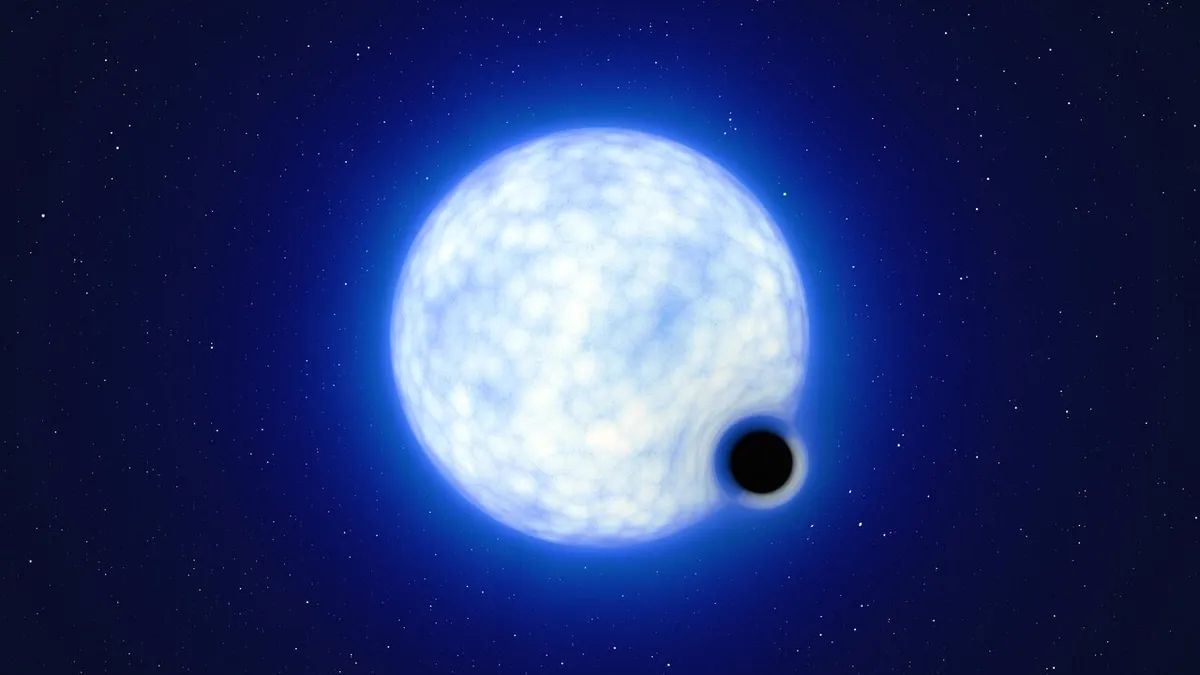
Stars that vanish from the sky may be collapsing directly into black holes without going supernova first, a new study of a bizarre binary star system suggests.