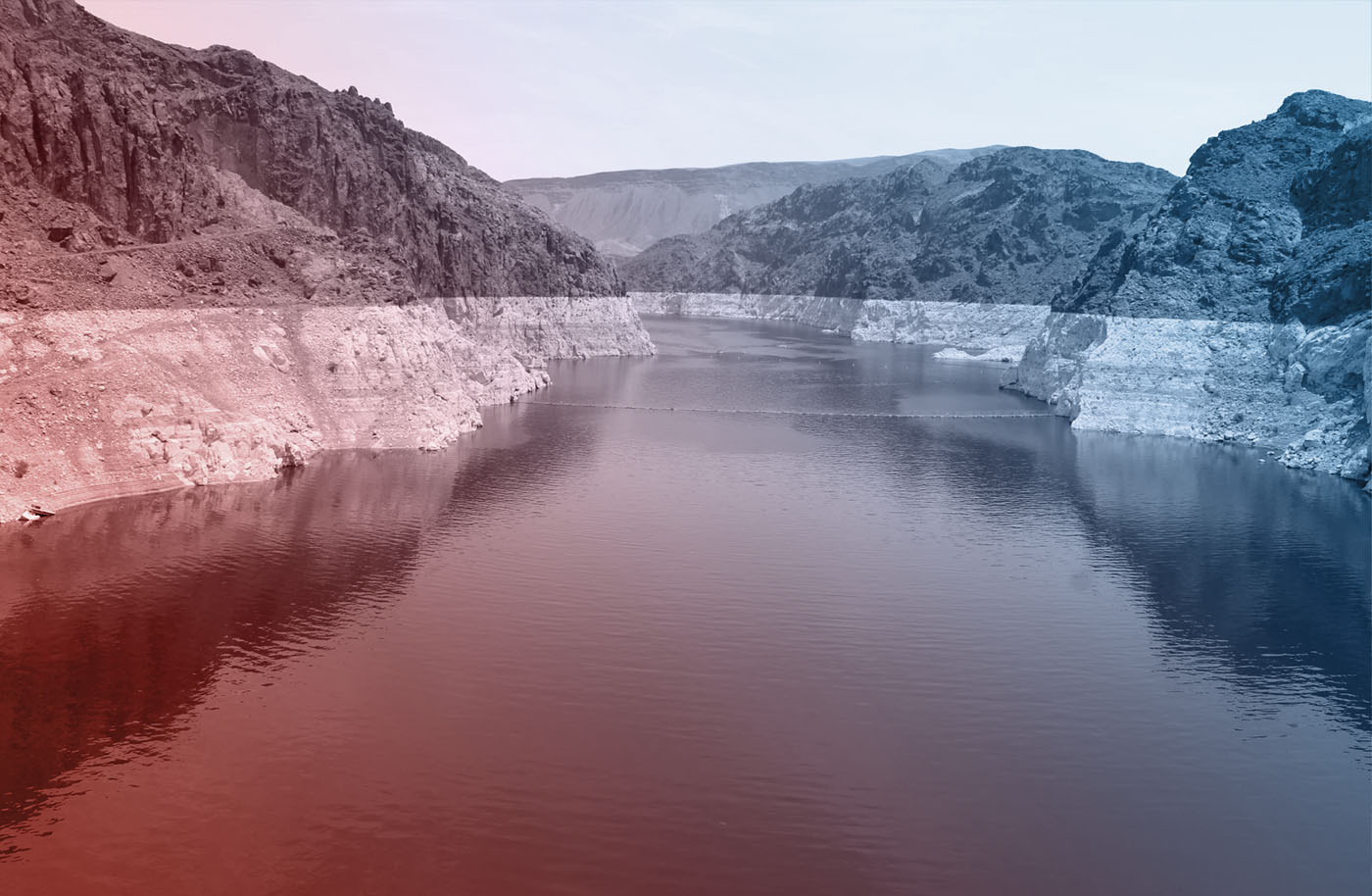
Somewhere between demand and supply is the 'Thirst Gap' that's shrinking Lake Powell
A new six-part podcast explores the questions, challenges and possible solutions to saving the 1,450 mile long lifeline of the West — The Colorado River.
Stay updated with breaking news from Luke Runyon. Get real-time updates on events, politics, business, and more. Visit us for reliable news and exclusive interviews.
A new six-part podcast explores the questions, challenges and possible solutions to saving the 1,450 mile long lifeline of the West — The Colorado River.
Lake Powell is a boater’s dream. The nation’s second largest reservoir on the Colorado River is a maze of sandstone canyons teeming with houseboats. But climate change and unchecked demand for water sent the lake’s levels to a new record low this year. In this episode we explore changes to recreation in this popular vacation hotspot.
A new podcast is a tale of climate change and bureaucracy due to Colorado River drought.
Farmers and ranchers use the vast majority of the Colorado River’s water. Getting them to voluntarily use less is difficult.
The Colorado River’s current crisis traces its roots back to 1922. That’s when leaders from the rapidly-growing southwestern states that rely on the river traveled to a swanky Santa Fe mountain retreat to divvy up the river’s water. Growing populations in some of the West’s burgeoning cities and sprawling farmlands, and the anxieties tied to that growth, pushed leaders to the negotiating table. The Colorado River Compact was the result of those talks. This attempt to manage the dynamic river system was fraught from the very beginning. To get a deal passed the men overestimated the rive...