Archaeologists Find Evidence of Hallucinogenic Drug in Ancient Rome
Physiological reactions to a plant called black henbane were well documented throughout the Ancient Mediterranean world.
Source: hyperallergic.com
Stay updated with breaking news from Maaike Groot. Get real-time updates on events, politics, business, and more. Visit us for reliable news and exclusive interviews.

Physiological reactions to a plant called black henbane were well documented throughout the Ancient Mediterranean world.
A hollowed-out animal bone was used by Romans to store a stash of poisonous seeds and is the first-ever evidence of the seeds' use during the Roman era.
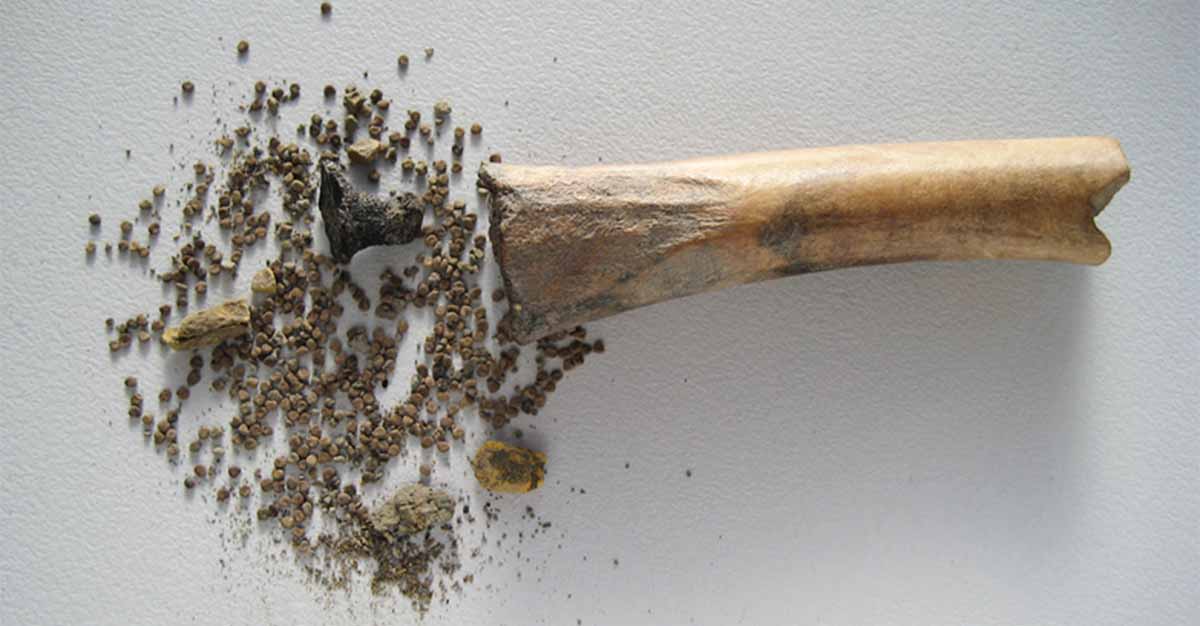
Unearthed in a Dutch Roman settlement, henbane seeds stored in a bone suggest ancient awareness of its medicinal value as far back as the first-century AD.

Archeologists have discovered the first conclusive evidence that a hallucinogenic and poisonous plant was used in the Roman world.
An up-coming study will reveal key findings from an ancient, hollowed-out animal bone that contained a potentially deadly plant