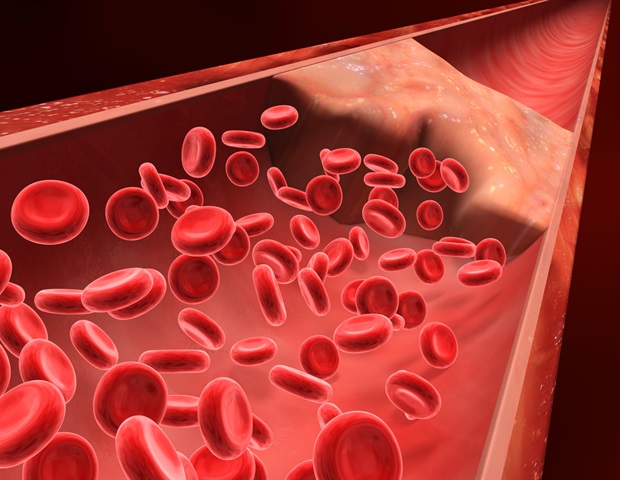
Blood clot risk factors identified in women
A particular gene mutation, oestrogen use, common medical conditions and common painkiller use can all increase the risk of blood clots in women — with this risk increasing when these are combined.
Stay updated with breaking news from Mark Caulfield. Get real-time updates on events, politics, business, and more. Visit us for reliable news and exclusive interviews.
A particular gene mutation, oestrogen use, common medical conditions and common painkiller use can all increase the risk of blood clots in women — with this risk increasing when these are combined.
The latest Irish and international sports news from The 42
Some women are more prone to developing blood clots than others. Know the factors that can increase the risk of formation of blood clots in women. TheHealthSite.com
New research from Queen Mary University of London, published in iScience, shows an increased risk of blood clots in women who have any combination of a particular gene mutation, estrogen use, or common medical conditions - specifically: obesity, high blood pressure, high cholesterol, and kidney disease.
Billions were sunk into the promise of treatments personalised to the individual. Now many believe the money might have been better spent on public health interventions