Wastewater Surveillance Has Become a Critical Covid Tracking Tool, but Funding Is Inconsistent
"We can pretend it’s not happening, but the wastewater and the deaths are telling us a different story."
Source: nakedcapitalism.com
Stay updated with breaking news from Michael Sweat. Get real-time updates on events, politics, business, and more. Visit us for reliable news and exclusive interviews.

"We can pretend it’s not happening, but the wastewater and the deaths are telling us a different story."
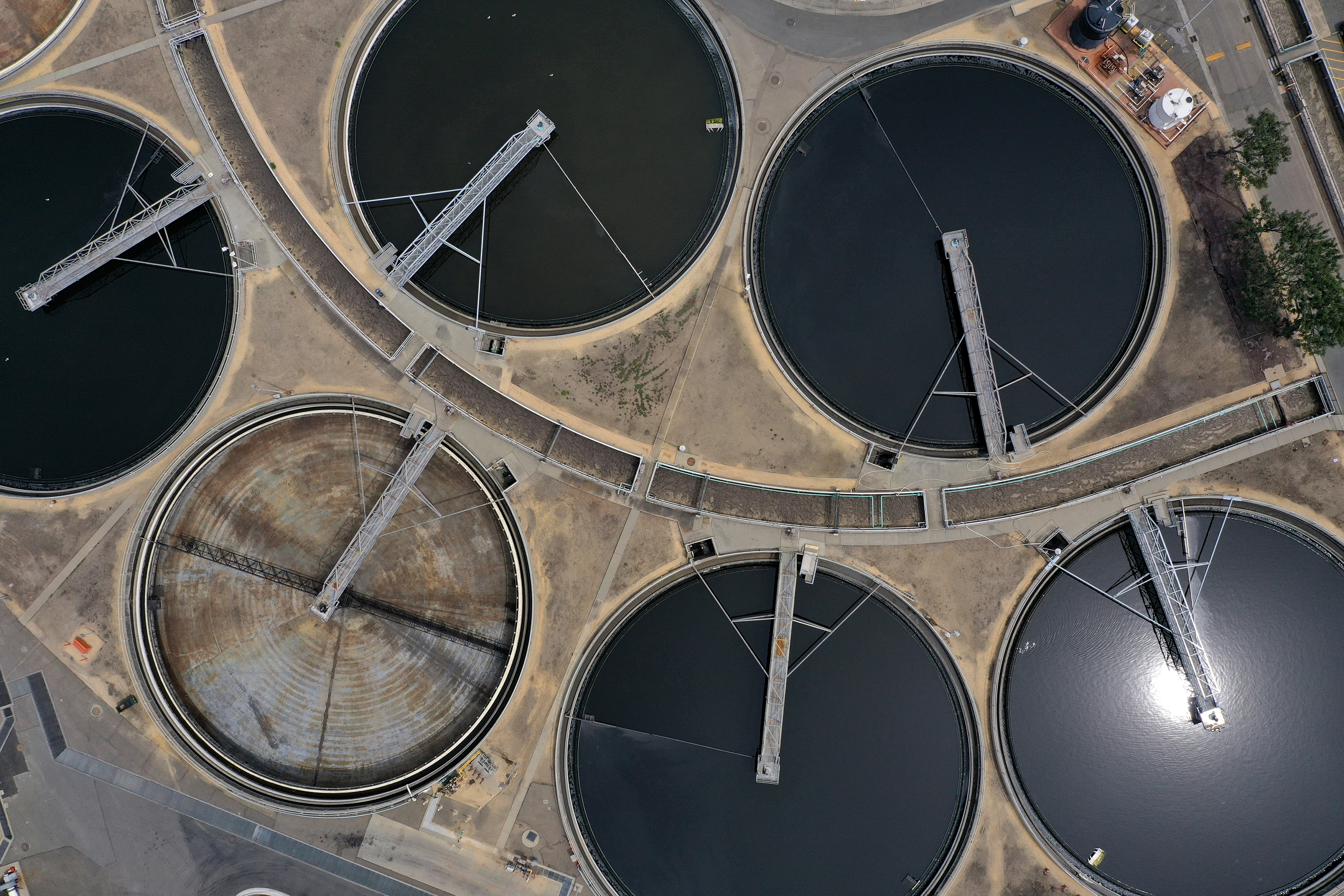
Even though wastewater surveillance is proving to be the most accurate and economical way to gauge COVID activity in communities across the country, funding for this type of tracking hasn’t been consistent. And data collection is sometimes paused while wastewater researchers look for new ways to pay for the surveillance. Besides COVID, the technique is being used to track the spread of monkeypox.

Wastewater surveillance is proving to be the most accurate and economical way to gauge COVID-19 activity in communities across the country, but funding for this type of tracking hasn’t been consistent.

Even though wastewater surveillance is proving to be the most accurate and economical way to gauge COVID-19 activity in communities across the country, funding for this type of tracking hasn’t been consistent.

Dashboards that rely on positive covid test results reported to local health departments no longer paint a reliable picture of how covid is spreading in an area. Some experts say wastewater surveillance is the most accurate way to measure viral activity. Meanwhile, some wastewater labs face funding shortfalls.