Vimarsana
Biggest News Aggregation in the World

Page 2 - Mingzhen Lu News Today : Breaking News, Live Updates & Top Stories | Vimarsana

Stay updated with breaking news from Mingzhen Lu. Get real-time updates on events, politics, business, and more. Visit us for reliable news and exclusive interviews.

Top News In Mingzhen Lu Today - Breaking & Trending Today

Lou Schuyler Internal Grants fund new postdoctoral research - Vimarsana News

Lou Schuyler Internal Grants fund new postdoctoral research

<p>In December 2022, SFI opened applications for its Postdoctoral Fellows to apply for funding through the <a href="https://www.santafe.edu/pages/lou-schuyler-internal-postdoctoral-research-grant-">Lou Schuyler Internal Postdoctoral Research Grant Fund</a>. Now in its second round, the fund offers SFI Postdoctoral Fellows up to $15,000 per grant to explore new areas of research or expand the scope of their current projects.&nbsp;</p>

Fynbos plants hold their ground with the world's thinnest roots - Vimarsana News

Fynbos plants hold their ground with the world's thinnest roots

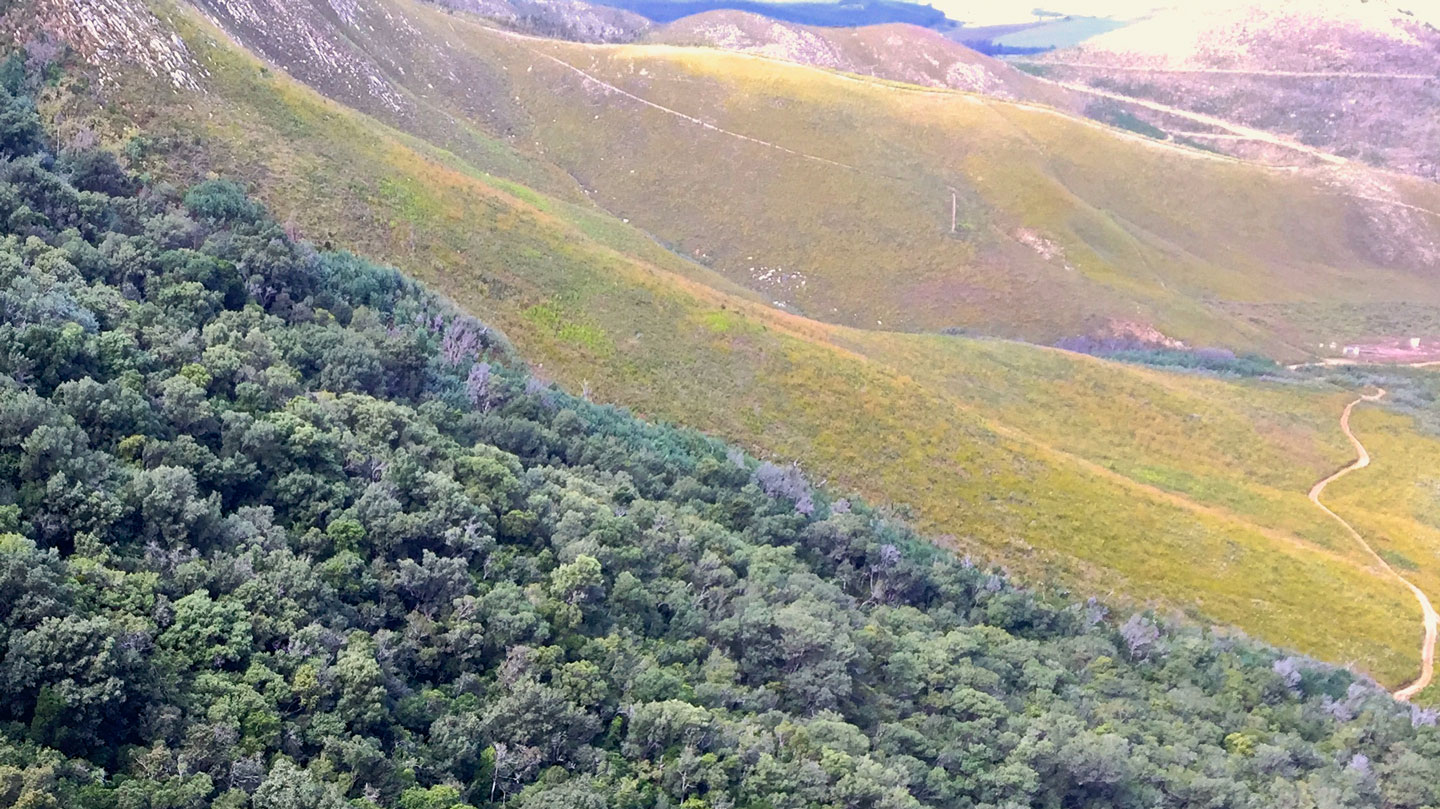
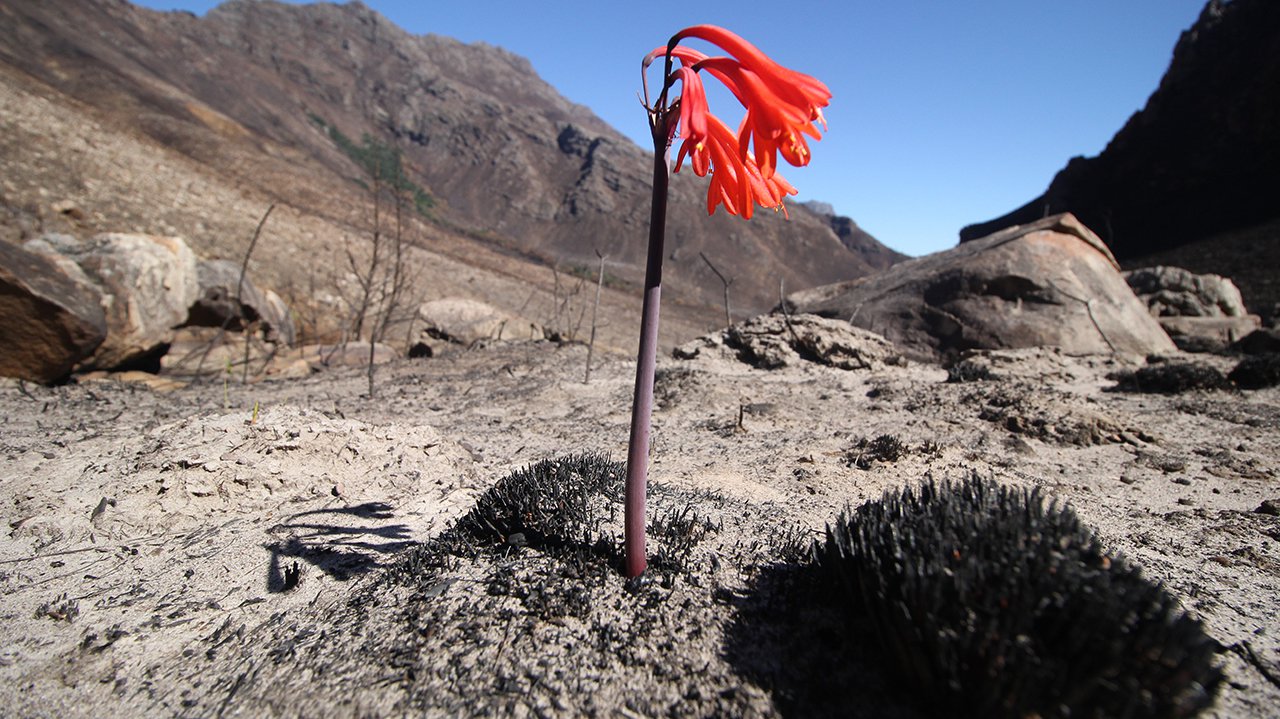
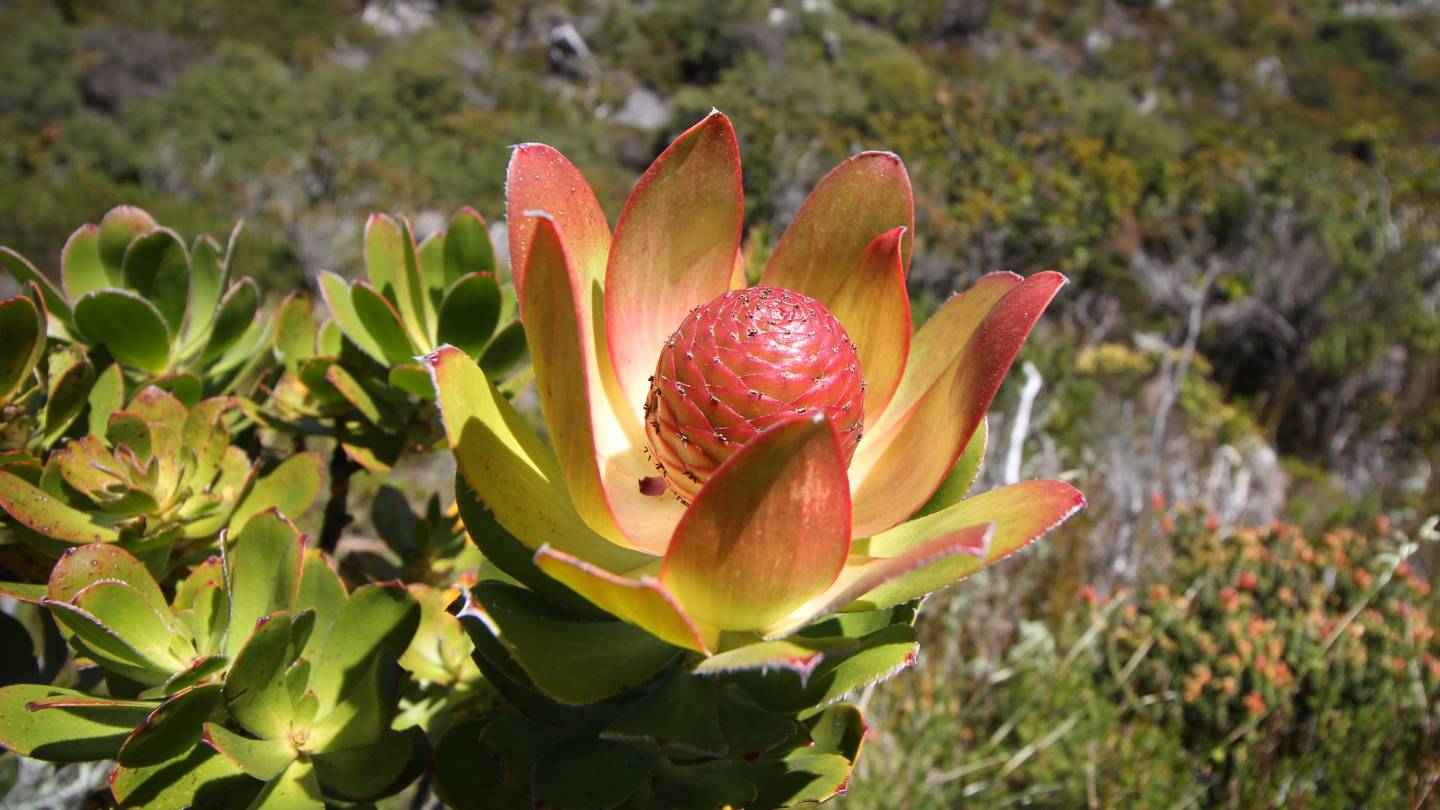
Long, thin roots help this South African shrubland commandeer soil nutrients and keep the neighboring forest from encroaching on its territory.

What lies beneath: Roots as drivers of South African landscape pattern - Vimarsana News

What lies beneath: Roots as drivers of South African landscape pattern

<p>In South Africa&#39;s western cape, the shrubby Fynbos biome and the abutting Afrotemperate Forest biome&nbsp;share an underlying&nbsp;geology and are subject to the same climatic patterns, yet exist as alternative stable states.&nbsp;In a new study in <em>PNAS,&nbsp;</em>SFI Omidyar Fellow Mingzhen Lu and colleagues dive deep to understand the role&nbsp;of root systems in maintaining these two biomes.&nbsp;</p>

World's thinnest roots are 'underground weapons' in ecological competition - Vimarsana News

World's thinnest roots are 'underground weapons' in ecological competition

An international team of researchers led by Princetonians Lars Hedin and Mingzhen Lu discovered that the thinnest roots in the world, part of a South African shrubland, work below ground to create miserable conditions for would-be invasive species.