Residential Green Space Linked to Better Cognitive Function
Residential green space versus non-exposure is associated with significantly higher cognitive function, a finding that may be explained by less depression.
Source: medscape.com
Stay updated with breaking news from Normalized Difference Vegetation Index. Get real-time updates on events, politics, business, and more. Visit us for reliable news and exclusive interviews.
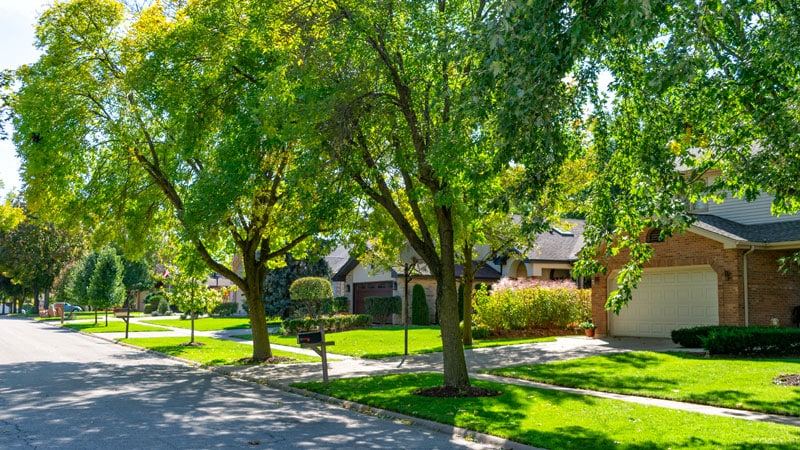
Residential green space versus non-exposure is associated with significantly higher cognitive function, a finding that may be explained by less depression.

Living in an area lush with green space may boost cognitive function, slow mental decline, and reduce depression for middle-aged women.

Exposure to greenspace may improve mood and reduce dementia risk, according to researchers.

A new study from Boston University School of Public Health has found a link between living with exposure to more green space and an improvement in cognitive function. The research suggests that living near greenery could especially boost cognitive function for middle-age women, ultimately reducing rates of depression and possibly dementia.

New evidence links residential exposure to greenspace, such as green vegetation, as a potential population-level approach to improve processing speed and attention, and overall cognitive function.