'Stressed jellyfish' reveal dangers of seabed mining
An experiment with a common jellyfish has revealed the potential harm of seabed mining on creatures in the deep.
Source: bbc.co.uk
Stay updated with breaking news from Vanessa Stenvers. Get real-time updates on events, politics, business, and more. Visit us for reliable news and exclusive interviews.

An experiment with a common jellyfish has revealed the potential harm of seabed mining on creatures in the deep.
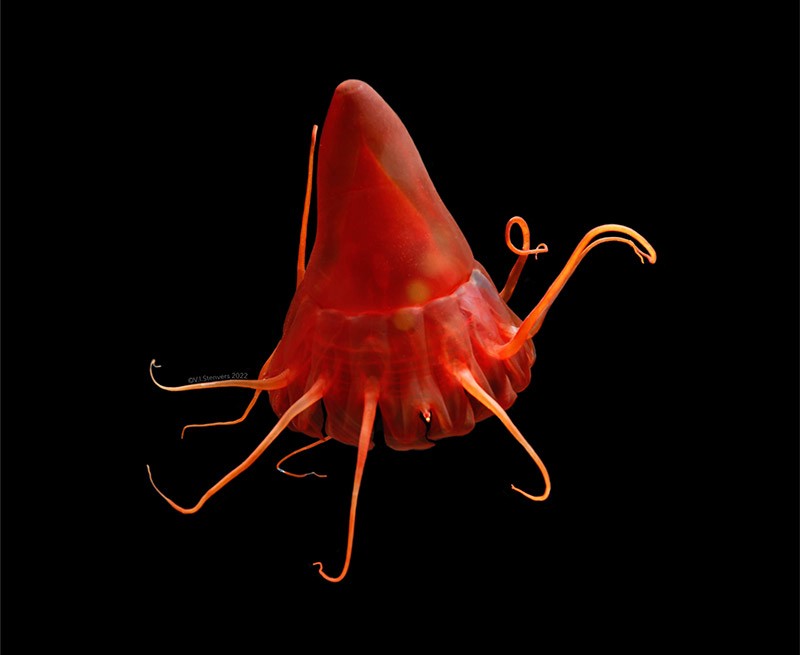
Sediment dislodged by ocean-floor mining could disrupt jellyfish metabolism, potentially causing the animals serious harm. Sediment dislodged by ocean-floor mining could disrupt jellyfish metabolism, potentially causing the animals serious harm.

A recent study conducted by scientists at the GEOMAR Helmholtz Centre for Ocean Research Kiel has provided insights into the stress response of a deep pelagic jellyfish to ocean warming and sediment plumes caused by deep-sea mining. The study highlights the potential environmental disruption caused by deep-sea mining and the vulnerability of midwater species to sediment plumes. The researchers emphasize the importance of understanding the impacts of deep-sea mining on midwater ecosystems.

Credit: JAGO Team, GEOMAR. Pyrosomes, named after the Greek words for 'fire bodies' due their bright bioluminescence, are pelagic tunicates that spend their entire lives swimming in the open ocean. They are made up of many smaller animals, known as zooids, that sit together in a tubular matrix, known as tunic (hence the name pelagic tunicates). Because they live in the open ocean, they generally go unnoticed. In spite of this, increasing research points to their importance in marine environments, as they can form dense blooms that impact food web dynamics and contribute to the movement and tr...