Vimarsana
Biggest News Aggregation in the World

Page 7 - Veterinary Journal News Today : Breaking News, Live Updates & Top Stories | Vimarsana

Stay updated with breaking news from Veterinary Journal. Get real-time updates on events, politics, business, and more. Visit us for reliable news and exclusive interviews.

Top News In Veterinary Journal Today - Breaking & Trending Today

Certain bit styles linked to more mouth injuries in trotters - Vimarsana News

Certain bit styles linked to more mouth injuries in trotters

Horsetalk.co.nz Certain bit styles linked to more mouth injuries in trotters The six most common bits used on trotters in the study. Image: https://doi.org/10.1111/evj.13401 Certain bits were linked to a higher risk of moderate or severe mouth lesions in a study of trotting horses in Finland. Kati Tuomola and her fellow researchers, writing in the Equine Veterinary Journal, noted that bit‐related lesions are common in competition horses, but little evidence exists concerning potential risk factors linked to their development. In Nordic countries, an 84% to 88% occurrence of oral l...

Lecithin offers promise in equine ulcer prevention and treatment - Vimarsana News

Lecithin offers promise in equine ulcer prevention and treatment

Horsetalk.co.nz Lecithin shows promise in equine ulcer prevention and treatment File image. Juliet Getty takes a look at the use of omeprazole in horses and why its long-term use isn’t a good idea. Your horse has an ulcer? “Give him omeprazole.” Your horse is traveling on a long trip? “Give him omeprazole.” Your horse is taking pain medication? “Give him omeprazole.” Sound familiar? Omeprazole, produced by Merial as GastroGard and the less concentrated UlcerGard, is the go-to drug for all these reasons and more. One of my clients recently said, “The people at my barn ...

Have you considered injectable trace mineral top up during the transition period? - Vimarsana News

Have you considered injectable trace mineral top up during the transition period?

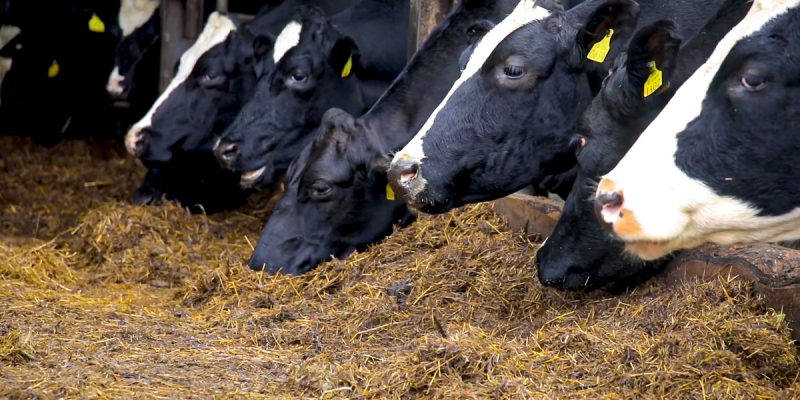
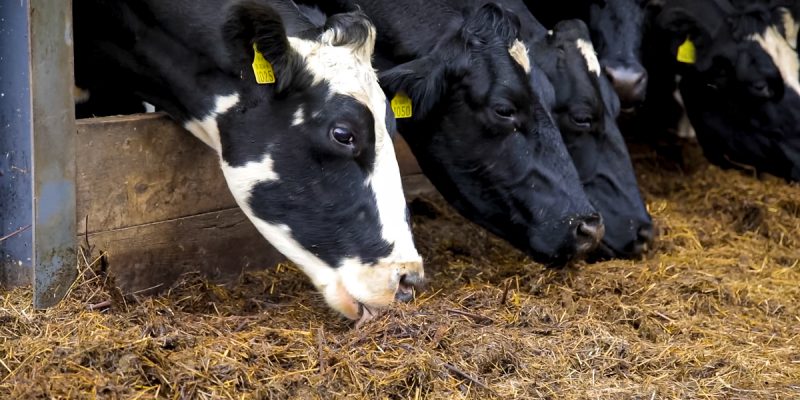
January 11, 2021 12:11 pm Take the hardship out of administering oral trace mineral supplements to your cows by talking to your veterinary surgeon about injectable trace mineral top up during the transition period. Pre-calving cows can benefit from supplementary trace minerals but oral trace mineral supplements like drenches and boluses can be difficult and time consuming to administer. Trace minerals are a vital component of bovine immunity and trace mineral imbalances have been linked with poor disease resistance in Irish dairy herds. Selenium (Se) is vital for immune cell killing ability (...

Challenging investment in orally administered supplementary trace minerals - Vimarsana News

Challenging investment in orally administered supplementary trace minerals

Challenging investment in orally administered supplementary trace minerals Teagasc estimates that milk somatic cell count (SCC) levels above 100,000 mean you are losing money. On average mastitis costs farmers €60/cow/year (O’Brien et al., 2016). Cows are especially vulnerable to health disorders like this during the transition period and approximately 75% of disease incidence (mastitis, metritis, ketosis, abomasal displacement, etc.) occurs in the first month of lactation (LeBlanc et al., 2006), in particular the first 10 days after calving (Ingvartsen et al., 2003), coinciding with the ...

Medical grade honey reduces risk of surgical site infections after colic operations, researchers find - Vimarsana News

Medical grade honey reduces risk of surgical site infections after colic operations, researchers find

Horsetalk.co.nz Medical grade honey reduces risk of surgical site infections after colic operations, researchers find An example of the application of medical-grade antimicrobial honey when closing up after colic surgery. Medical grade honey gel shows promise in reducing the number of infections in surgical incisions arising from colic surgery. Dr Kajsa Gustafsson and her colleagues at the Koret School of Veterinary Medicine, part of the Hebrew University of Jerusalem in Israel, reported their findings recently in the Equine Veterinary Journal. Colic in horses may be due to an accum...