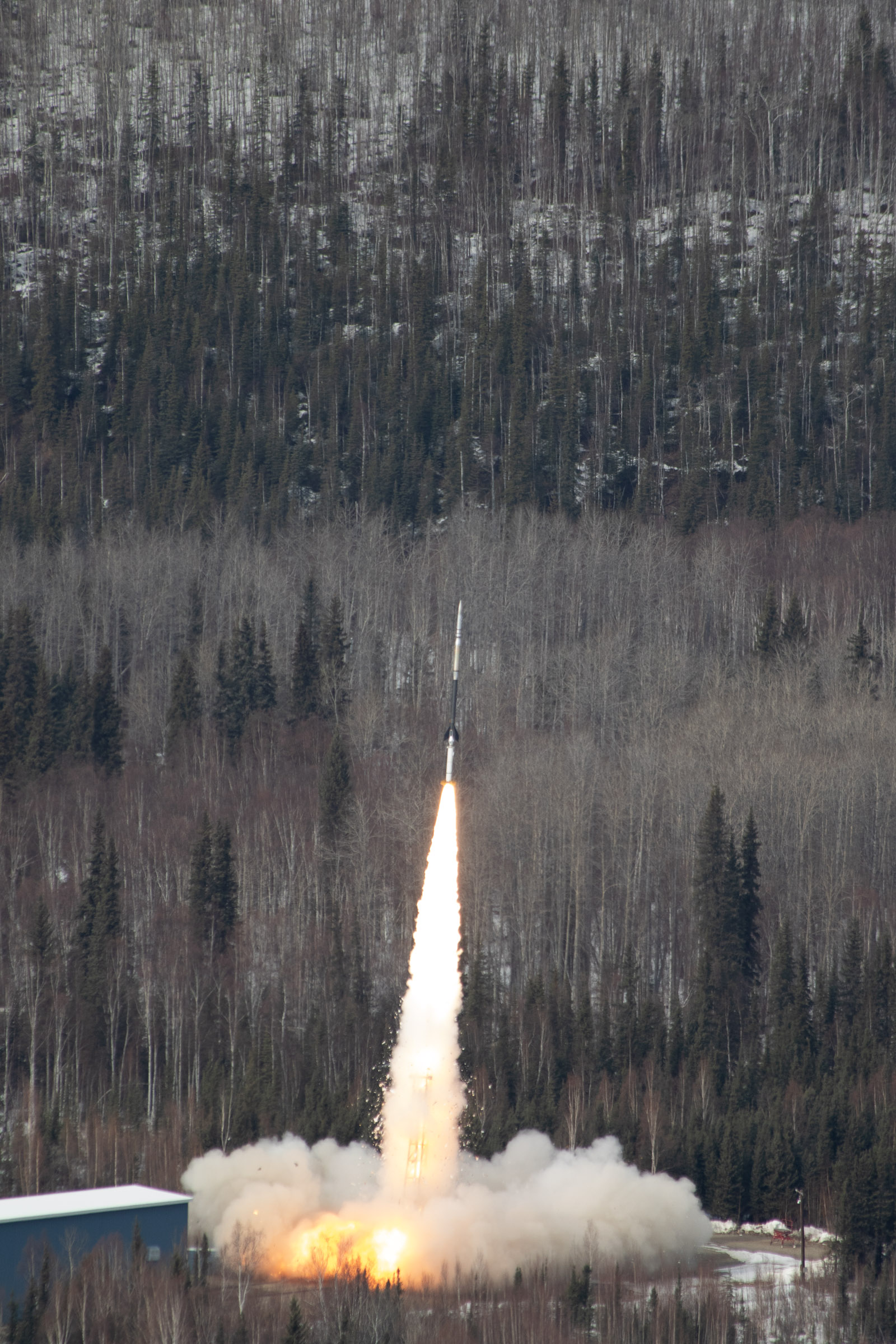
Hi-C Rocket Experiment Achieves Never-Before-Seen Look at Solar Flares
After months of preparation and years since its last flight, the upgraded High Resolution Coronal Imager Flare mission – Hi-C Rocket Flare, for short – took to the skies for a never-before-seen view of a solar flare.
Source: nasa.gov


