In a first, astronomers spot a star swallowing a planet
Scientists have observed a star swallowing a planet for the first time. Earth will meet a similar fate in 5 billion years.
Source: mit.edu
Stay updated with breaking news from Anna Christina Eilers. Get real-time updates on events, politics, business, and more. Visit us for reliable news and exclusive interviews.

Scientists have observed a star swallowing a planet for the first time. Earth will meet a similar fate in 5 billion years.
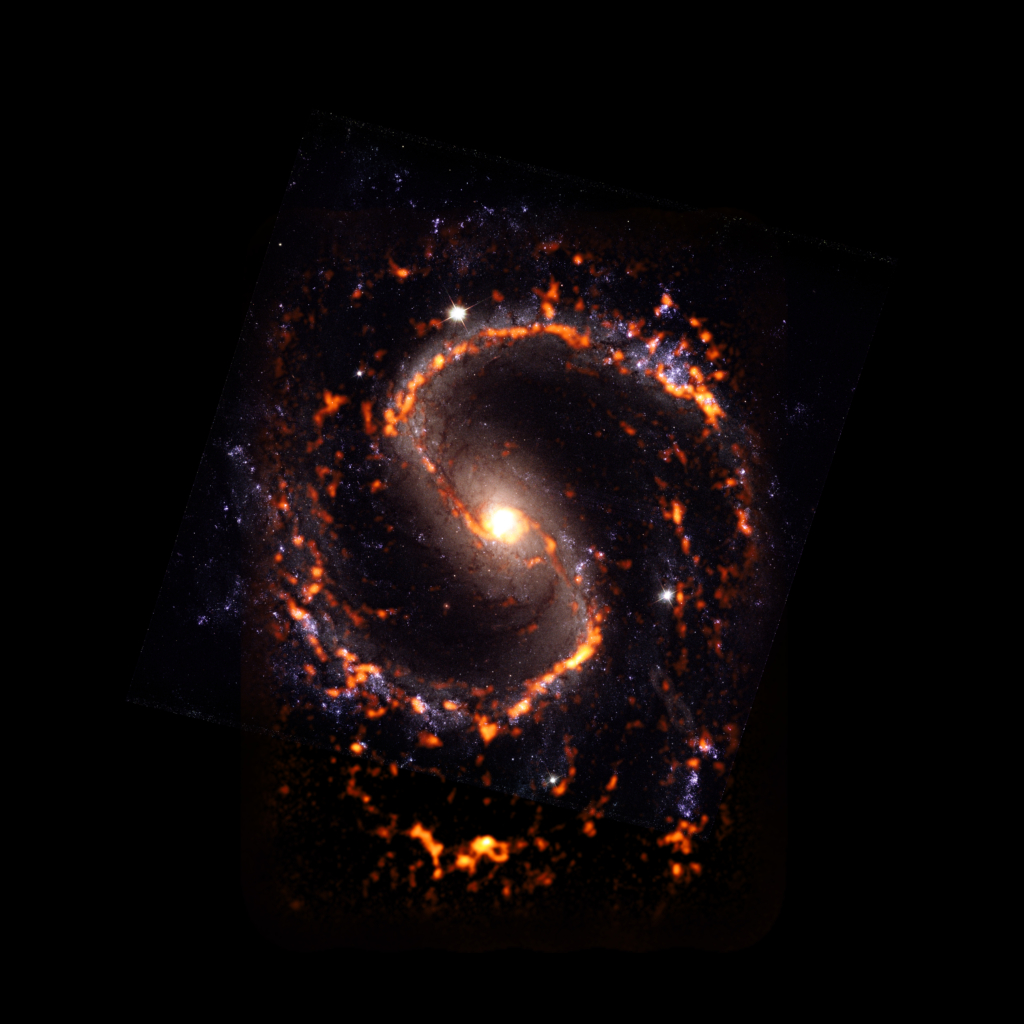
Welcome to the virtual summer American Astronomical Society (AAS) meeting! Astrobites is attending the conference as usual, and we will report highlights from each day here. If you’d like to see more timely updates during the day, we encourage you to search the #aas238 hashtag on twitter. We’ll be posting once a day during the meeting, so be sure the visit the site often to catch all the news! This composite image of NGC4535 shows a Hubble image of the galaxy, overlaid with new ALMA observations of the galaxy’s molecular clouds. [ALMA (ESO/NAOJ/NRAO)/PHANGS, S. Dagnello (NRAO...
E-Mail IMAGE: This artist's impression shows how the distant quasar P172+18 and its radio jets may have looked. To date (early 2021), this is the most distant quasar with radio jets ever... view more Credit: ESO/M. Kornmesser With the help of the European Southern Observatory's Very Large Telescope (ESO's VLT), astronomers have discovered and studied in detail the most distant source of radio emission known to date. The source is a "radio-loud" quasar -- a bright object with powerful jets emitting at radio wavelengths -- that is so far away its light has taken 13 billion years to ...