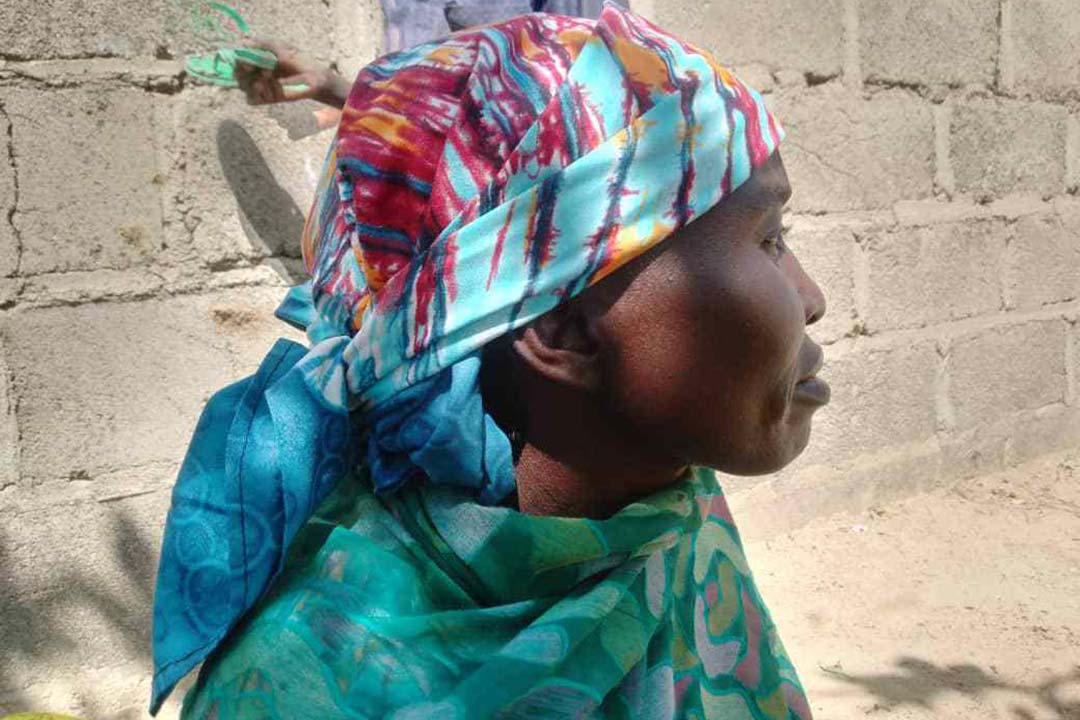
How deradicalisation programmes are helping former Boko Haram captives find their way back
Reintegration is a multifaceted process. For many former captives, it includes unlearning the extremists’ lesson that childhood immunisation is sinful.
Stay updated with breaking news from Camp Shutdowns. Get real-time updates on events, politics, business, and more. Visit us for reliable news and exclusive interviews.
Reintegration is a multifaceted process. For many former captives, it includes unlearning the extremists’ lesson that childhood immunisation is sinful.
Help us continue to fight human rights abuses. Please give now to support our workCritical Opportunity for UK, Mauritius to Right Half Century of Wrongs Share this via Facebook Share this via Twitter Share this via WhatsApp Share this via Email Other ways to share Share this via LinkedIn Share this via Reddit Share this
Help us continue to fight human rights abuses. Please give now to support our work35 Years On, Strengthen Its Independence, Civil Society Role Share this via Facebook Share this via Twitter Share this via WhatsApp Share this via Email Other ways to share Share this via LinkedIn Share this via Reddit Share this via Telegram
The decision by Nigeria’s Borno State government to shut down its camps for people displaced by the Boko Haram conflict has pushed over 200,000 people into deeper suffering and destitution.
No fewer than 200,000 people have been driven to abject poverty after the closure of internally displaced people (IDPs) camps, according to a report published by Human Rights Watch (HRW) on Wednesday. The international non-governmental organisation said the IDPs are currently facing extreme starvation, a lack of shelter, and instability because of the camps closures which have denied them access to humanitarian aids. Borno is one of Nigeria's north-eastern states most hit by the Boko Haram conflict.
