US Air Force missile sites concealed toxic health risks, documents show
The Air Force's underground capsules and silos, utilized by nuclear missile crews since the 1960s, were found to have significant toxic risks, reports show.
Stay updated with breaking news from Combat Targeting. Get real-time updates on events, politics, business, and more. Visit us for reliable news and exclusive interviews.
The Air Force's underground capsules and silos, utilized by nuclear missile crews since the 1960s, were found to have significant toxic risks, reports show.
The toxic dangers were recorded in hundreds of pages of documents dating back to the 1980s that were obtained by The Associated Press through Freedom of Information Act requests.
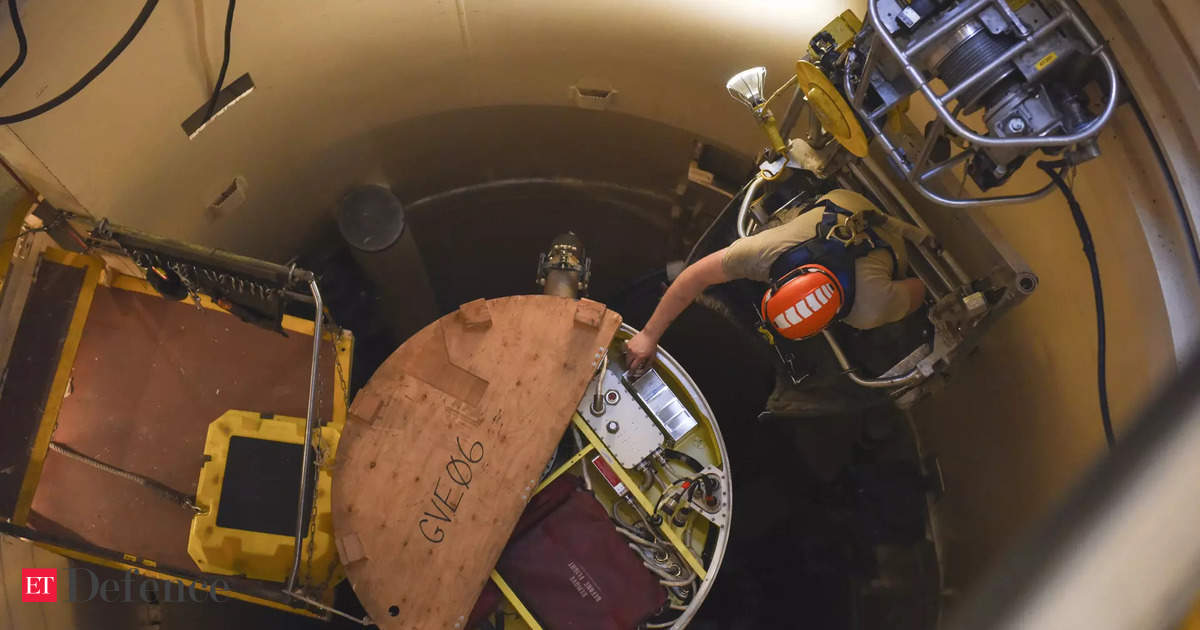
A large pool of dark liquid festering on the floor. No fresh air. Computer displays that would overheat and ooze out a fishy-smelling gel that nauseated the crew. Asbestos readings 50 times higher than the Environmental Protection Agency's safety standards. These are just some of the past toxic risks that were in the underground capsules and silos where Air Force nuclear missile crews have worked since the 1960s.
Air Force nuclear missile crews faced toxic risks in capsules since the '60s. Documents reveal hazards ignored by leadership. Current cancer cases prompt Air Force review and extensive testing. Concerns arise over past exposures to asbestos, PCBs, and other dangers. Capsules under scrutiny despite initial dismissals. Missileers seek transparency and medical vigilance while concerns about risks linger. Plans for base modernization consider health standards, but past exposures remain a concern for affected service members.

The Air Force is working on an official count of how many current or former missile community service members have cancer.