Cybernetics: How should we be working with new machines?
First of a series on cybernetics, Mark Pesce explains how we learned to use and control the information generated by all the processes of civilisation
Source: cosmosmagazine.com
Stay updated with breaking news from David Hilbert. Get real-time updates on events, politics, business, and more. Visit us for reliable news and exclusive interviews.
First of a series on cybernetics, Mark Pesce explains how we learned to use and control the information generated by all the processes of civilisation

By C. K. Raju We saw in part 1 that colonial temper has consistently used a false history of science to lie about and run down non-Western achievements in science. Equally, it has used a false history of science to boast of Western superiority, a claim directly linked to the earlier claims of Christian, then
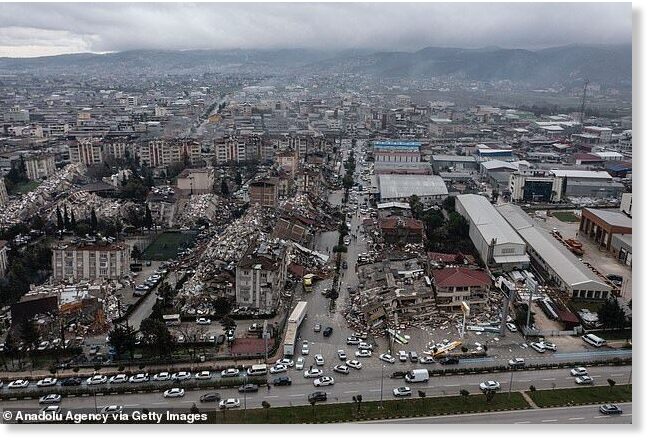
"Can we forecast earthquakes? No. Neither the United States Geology Survey (USGS) nor any other scientists have ever predicted a major earthquake. We do not know how, and we do not expect to know how any time in the foreseeable future." — United...

Historians of science sometimes lament the fact certain historical figures are famous for the wrong reasons. Alan Turing (1912-54) is perhaps the best example of this phenomenon. Most people associate Turing with the breaking of an encryption device called the
A good paradox can befuddle the best of us. If you're in the mood to narrow your brow at seemingly irreconcilable facts, have we got a list for you.