
'Organs-on-a-chip' sheds light on gut microbiome's role in Parkinson's disease
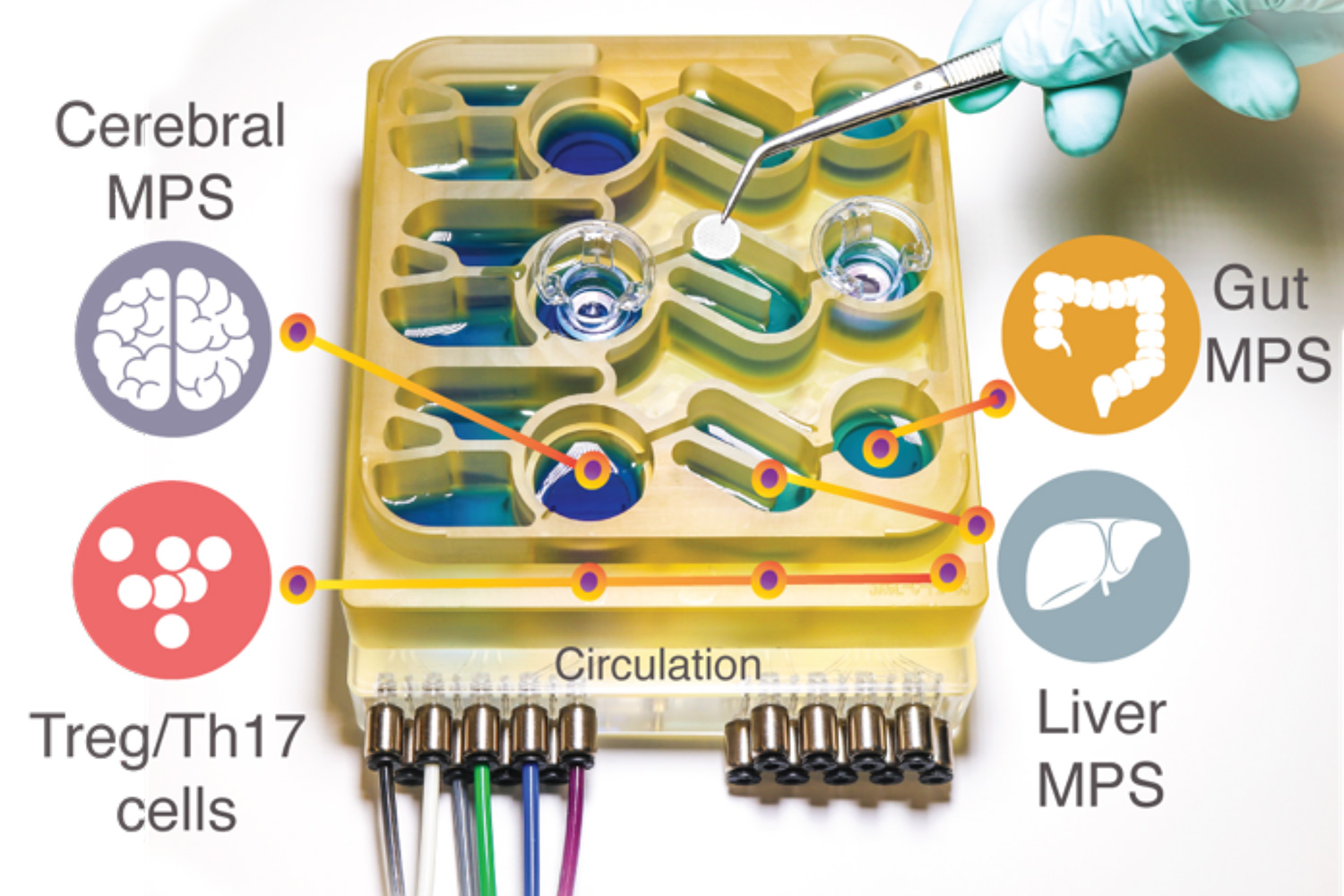
Researchers have developed an 'organs-on-a-chip' system that models the interactions between the brain, gut microbiome, liver, and colon in patients with Parkinson’s disease. The system allows the research team to more fully understand the gut-brain axis’ role in neurological diseases, better replicating the complex interactions that murine mice models struggle to do. The team from Massachusetts Institute of Technology (MIT) found that short-chain fatty acids (SCFAs) produced by gut microbes are transported to the brain, where they have different effects on hea...
Source: nutraingredients-usa.com

:strip_exif(true):strip_icc(true):no_upscale(true):quality(65)/d1vhqlrjc8h82r.cloudfront.net/01-27-2021/t_a1b82bbf62694f60bf31a6a4a753dc5b_name_image.jpg)