High rates of trauma in births using forceps, vaccuums: study
A new study is calling for a national strategy to address high rates of maternal trauma in births using forceps and vacuums in Canada.
Source: chch.com
Stay updated with breaking news from Giulia Muraca. Get real-time updates on events, politics, business, and more. Visit us for reliable news and exclusive interviews.

A new study is calling for a national strategy to address high rates of maternal trauma in births using forceps and vacuums in Canada.

To track and analyze caesarean section trends and thus improve maternity care, the Robson classification is used worldwide. A study from Karolinska Institutet in Sweden shows differences between Sweden and Canada, and that the classification system can be further developed to take into account more important variables. The study, published in PLOS Medicine, may contribute to improved and more equal maternity care in the future.

An analysis of more than 1 million deliveries in Canada found that more than 1 in 4 women undergoing forceps delivery suffer trauma from the procedure.
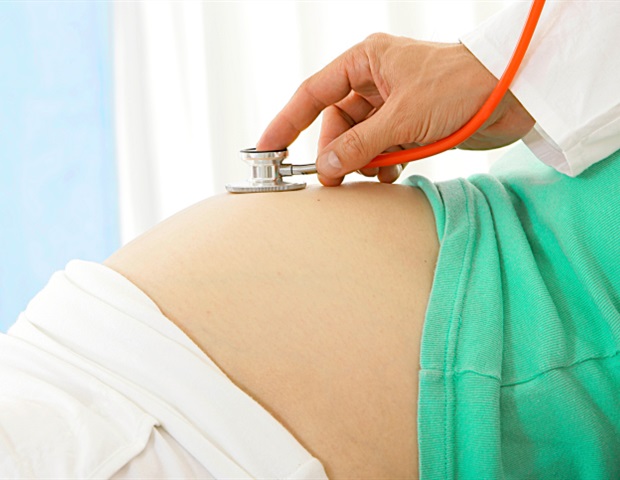
For mothers and their babies delivered by forceps or vacuum, trauma after these procedures is higher than previously reported in Canada, with 1 in 4 deliveries affected in the case of forceps, reports a new study in CMAJ.

Researchers are calling for a reassessment to the safety practises of using forceps or vacuum deliveries in Canada, citing a new study that suggests rates of trauma among mothers and babies who need the interventions are higher than previously reported, and higher than some other countries.