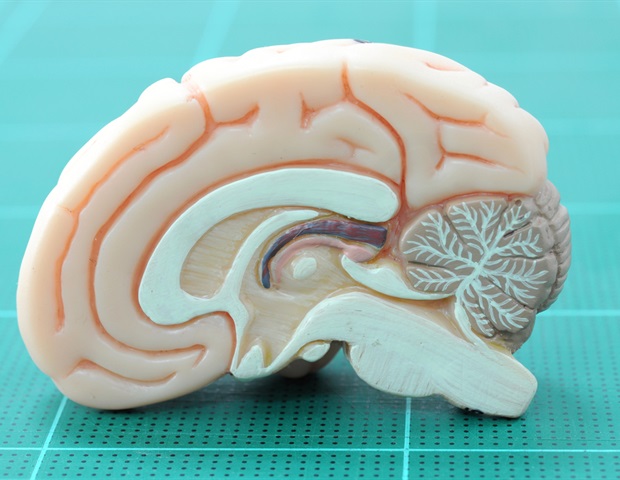
Anesthetic drug propofol cancels sensory processing by cutting it off communication within the cortex
General anesthesia evokes a dual mystery: How does it disrupt consciousness, including sensory perception, and what might that say about the nature of consciousness.
Source: news-medical.net