Antarctic 'Doomsday Glacier' at risk of receding faster than previously feared
A new study of the Antarctic seafloor suggests that the massive Thwaites Glacier, part of a larger ice sheet, could start receding faster and hasten a rise in sea levels.
Stay updated with breaking news from Robert Larter. Get real-time updates on events, politics, business, and more. Visit us for reliable news and exclusive interviews.
A new study of the Antarctic seafloor suggests that the massive Thwaites Glacier, part of a larger ice sheet, could start receding faster and hasten a rise in sea levels.
Antarctica's so-called 'doomsday glacier' -- nicknamed because of its high risk of collapse and threat to global sea level -- has the potential to rapidly retreat in the coming years, scientists say, amplifying concerns over the extreme sea level rise that would accompany its potential demise.
The West Antarctica glacier - which is about the size of Florida - has been an important consideration for scientists trying to make predictions about global sea level rise.
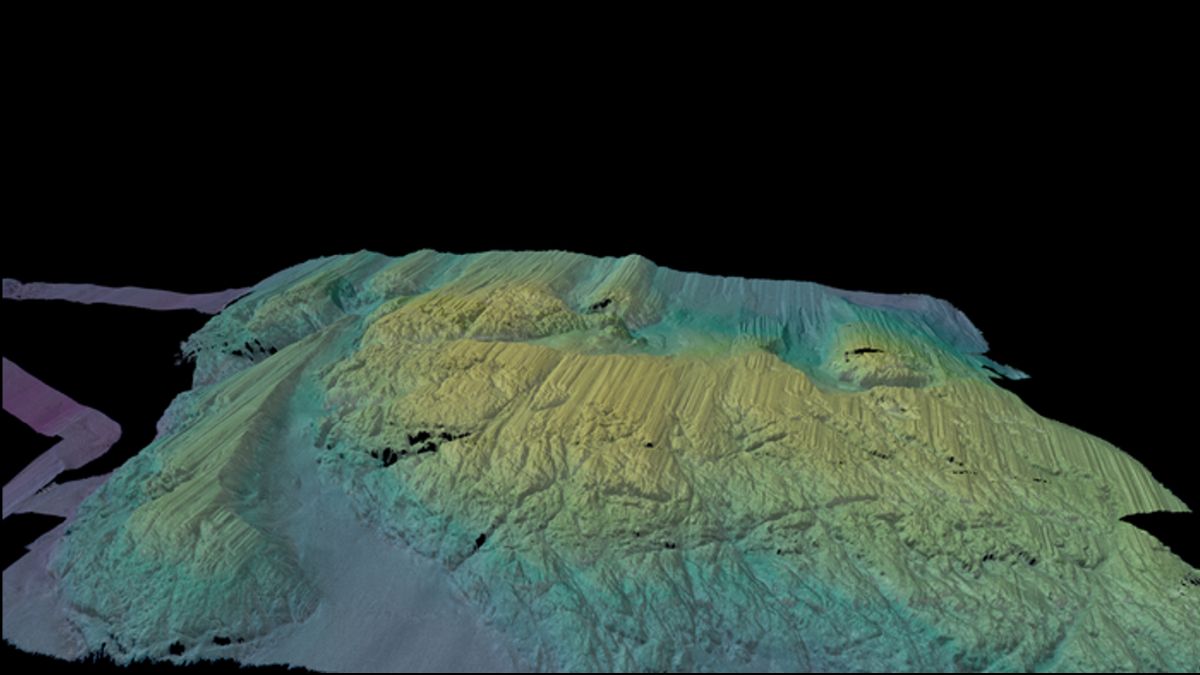
New high resolution images of the the seafloor in West Antarctica show Thwaites Glacier retreat in the past. They reveal that at times in its past, retreat of the massive Thwaites Glacier was even quicker than it is today, heightening concerns for its future.
The seafloor at the front of the large West Antarctic Thwaites glacier has been imaged for the first time showing periods of extremely rapid retreat.