Vimarsana
Biggest News Aggregation in the World

Page 2 - Second Hand Clothes News Today : Breaking News, Live Updates & Top Stories | Vimarsana

Stay updated with breaking news from Second Hand Clothes. Get real-time updates on events, politics, business, and more. Visit us for reliable news and exclusive interviews.

Top News In Second Hand Clothes Today - Breaking & Trending Today

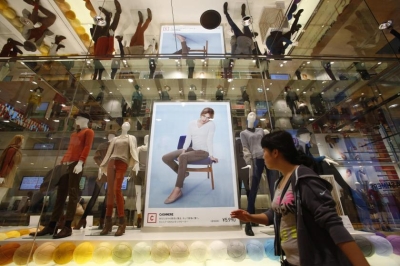
Second-hand clothes finally take off in Japan - Vimarsana News

Second-hand clothes finally take off in Japan

TOKYO, Dec 23 ― A second-hand pop-up store in Tokyo by casual clothing giant Uniqlo was a first for the Japanese firm, but also a sign that a local aversion to used garments may...

Evanston couple to host 'Buy Nothing Evanston' holiday donation shopping event where everything is free - Vimarsana News

Evanston couple to host 'Buy Nothing Evanston' holiday donation shopping event where everything is free

An Evanston couple is hosting a free holiday pop-up that will give away free clothing, toys and many more items.

Selling clothes for cash online? HMRC has new powers to tax you from January | Personal Finance | Finance - Vimarsana News

Selling clothes for cash online? HMRC has new powers to tax you from January | Personal Finance | Finance

Millions of people sell secondhand clothes on digital platforms to raise bit of cash or have a good old declutter. Be warned, the taxman is watching.

'Where is our future': Uganda declares war on used clothing - Vimarsana News

'Where is our future': Uganda declares war on used clothing

For nearly three decades, the chaotic, overcrowded Owino secondhand market in Uganda's capital has been the cornerstone of Hadija Nakimuli's life, helping the widowed shopkeeper build a house and raise 12 children.second-generation shopkeeper Harriet Musoke Kyambadde asked, her voice trembling with indignation.

Source: yahoo.com
Ban on Second-Hand Clothing Threatens Livelihoods in Uganda - Vimarsana News

Ban on Second-Hand Clothing Threatens Livelihoods in Uganda

The importation of second-hand clothes is often criticized by governments on the African continent, denouncing its negative impact on the local textile industry.