Bridging structural and cell biology with cryo-electron microscopy
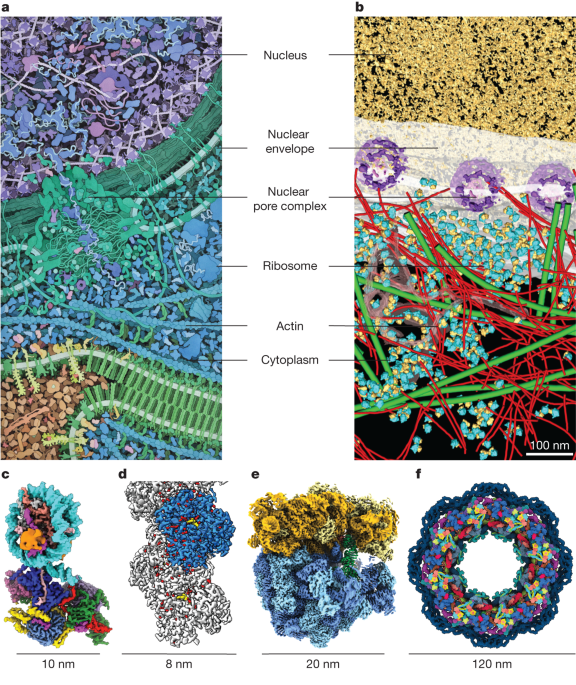
Most life scientists would agree that understanding how cellular processes work requires structural knowledge about the macromolecules involved. For example, deciphering the double-helical nature of DNA revealed essential aspects of how genetic information is stored, copied and repaired. Yet, being reductionist in nature, structural biology requires the purification of large amounts of macromolecules, often trimmed off larger functional units. The advent of cryogenic electron microscopy (cryo-EM) greatly facilitated the study of large, functional complexes and generally of samples tha...
Source: nature.com