Slavery is on the ballot for voters in five U.S. states
Voters in five states are deciding whether to close loopholes that allow convict labor as an exception to the abolition of slavery.
Source: latimes.com
Stay updated with breaking news from Max Parthas. Get real-time updates on events, politics, business, and more. Visit us for reliable news and exclusive interviews.

Voters in five states are deciding whether to close loopholes that allow convict labor as an exception to the abolition of slavery.

This November, versions of the question about closing a slavery loophole will go before voters in Alabama, Louisiana, Oregon, Tennessee and Vermont.

NASHVILLE, Tenn. — More than 150 years after slaves were freed in the U.S., voters in five states will soon decide whether to close loopholes that led to the proliferation of a different form of slavery — forced labor by people convicted of certain crimes. None of the proposals would force immedi
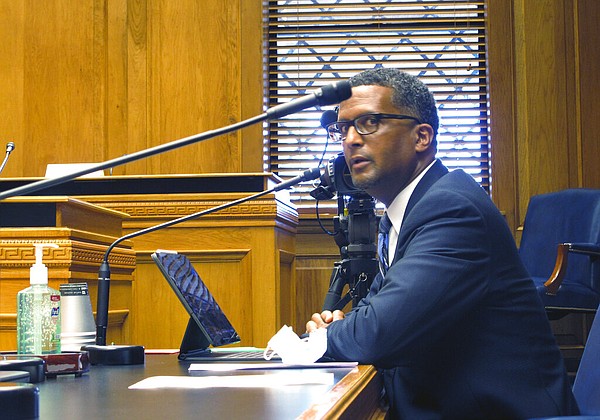
More than 150 years after slaves were freed in the U.S., voters in five states will soon decide whether to close loopholes that led to the proliferation of a different form of slavery — forced labor by people convicted of certain crimes.
Oregon's proposed change repeals its exception clause while adding language allowing a court or probation or parole agency to order alternatives to incarceration as part of sentencing.