The concrete forest: Bears, boars and more head to the cities
Warmer winters, less food and an aging society all play a part in why wild animals are increasingly venturing into human-populated areas.
Source: japantimes.co.jp
Stay updated with breaking news from Modate. Get real-time updates on events, politics, business, and more. Visit us for reliable news and exclusive interviews.
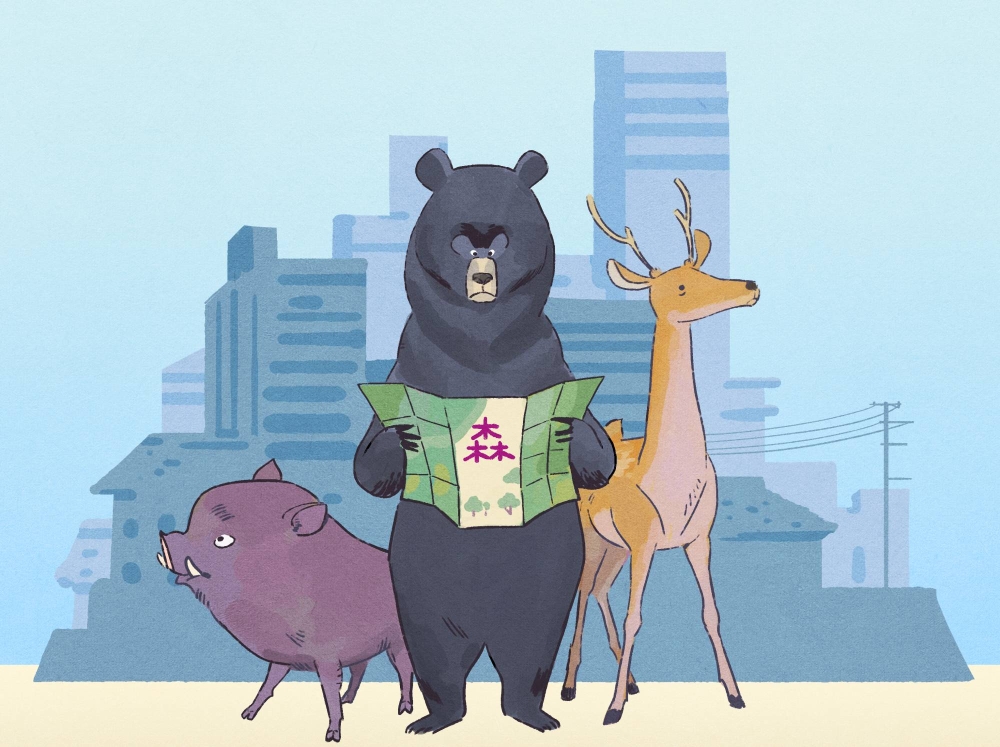
Warmer winters, less food and an aging society all play a part in why wild animals are increasingly venturing into human-populated areas.

More than just a mere pet, Hachiko became a symbol of loyalty and devotion as he faithfully waited for his owner’s return for years even after the latter's death. Over this weekend, Japanese authorities will pay special tribute to one of the country’s most recognizable symbols.

Hachikō, an Akita dog that lived in Japan from 1923 to 1935, turns 100 years old on Friday. Remembering Hachikō: Hachikō, who was born on Nov. 10, 1923, in the city of Odate, Akita Prefecture, is remembered for his remarkable loyalty to his owner Hidesaburo Ueno, who was an agricultural university professor at the Tokyo Imperial University (now University of Tokyo). Under Ueno’s care, Hachikō would wait at the Shibuya station for him to come home every day.

In the hurly-burly outside one of Tokyo's main train stations stands a statue of a dog whose true story of loyalty has made him a beloved mascot for generations.Ueno died unexpectedly in 1925, but Hachiko continued to come to the train station to wait forlornly for Ueno for nearly 10 years until passing away in March 1935.

Hachiko aka Hachi, the 'goodest of good boys' completed a century today. He belonged to university professor Hidesaburo Ueno. The faithful hound would wait at Shibuya station for his master to come home every day.