Arab Journalism Award winners honoured at Expo 2020 Dubai
Sabq online newspaper honoured with the Smart Journalism Award for using advanced technologies in promoting content
Source: khaleejtimes.com
Stay updated with breaking news from Reporting Award. Get real-time updates on events, politics, business, and more. Visit us for reliable news and exclusive interviews.

Sabq online newspaper honoured with the Smart Journalism Award for using advanced technologies in promoting content

Commerce Minister Tipu Munshi yesterday termed China as a “great friend” to Bangladesh and emphasised the need to enhance bilateral relations between the two with a focus on trade in the days ahead.

Die Recherchen von 14 Volontären zu Baustellen der Bahn in Ostbayern beeindruckte die Jury des Gutenberg-Recherchepreises.

Deep in Siberia, in one of the world’s coldest inhabited regions and a place so remote that it’s closer to Alaska than to the golden domes of Russia’s capital, a plucky movie industry is spotlighting indigenous culture and increasingly garnering plaudits internationally.
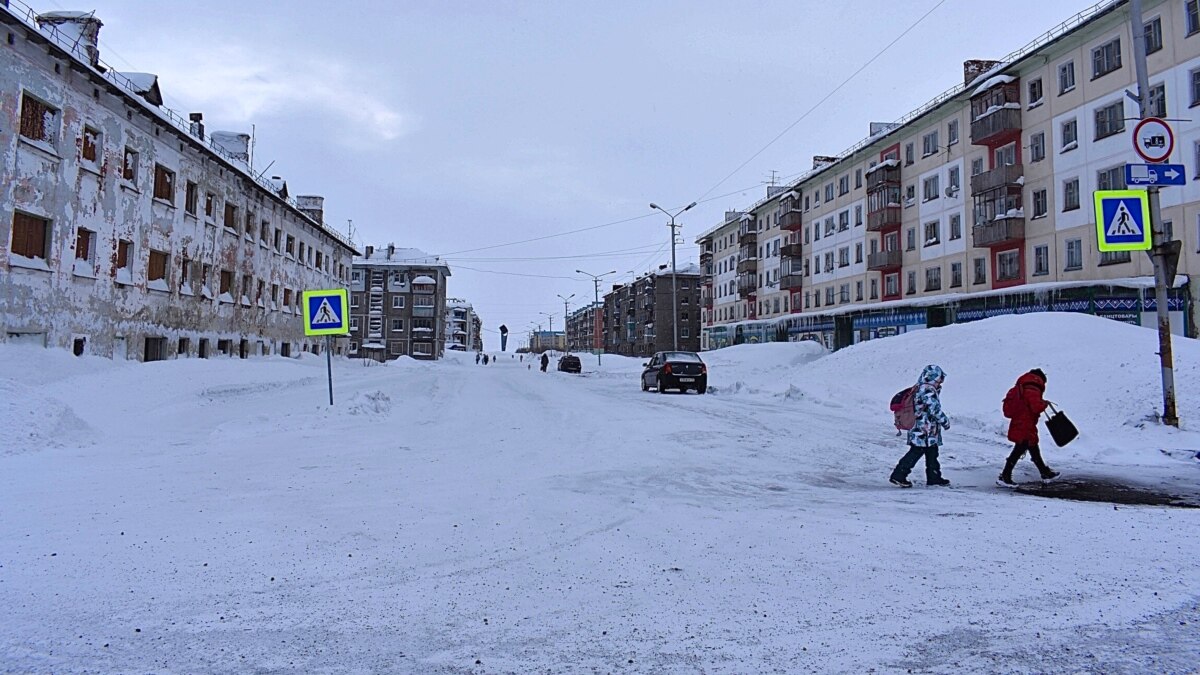
share Print VORKUTA, Russia -- In May 1931, a group of 39 prisoners toiling in the Soviet Union's expanding network of forced labor camps set off north from the town of Ukhta to explore the vast coal basin in the Russian Arctic. Joined by a team of geologists and camp guards, the men traveled for weeks through barely navigable waters and icy tundra into the frigid, inhospitable region that would test the limits of the lauded Soviet conquest of the Far North. They were soon joined by more prisoners, hundreds of whom died from sickness, hypothermia, and starvation. But by the spring of 1932, th...