She Was Handed an Envelope, Broke a Staggering Story
Jean Heller was toiling away on the floor of the 1972 Democratic National Convention in Miami when an AP colleague from the opposite end of the country handed her a thin manila...
Stay updated with breaking news from Special Assignment Team. Get real-time updates on events, politics, business, and more. Visit us for reliable news and exclusive interviews.
Jean Heller was toiling away on the floor of the 1972 Democratic National Convention in Miami when an AP colleague from the opposite end of the country handed her a thin manila...
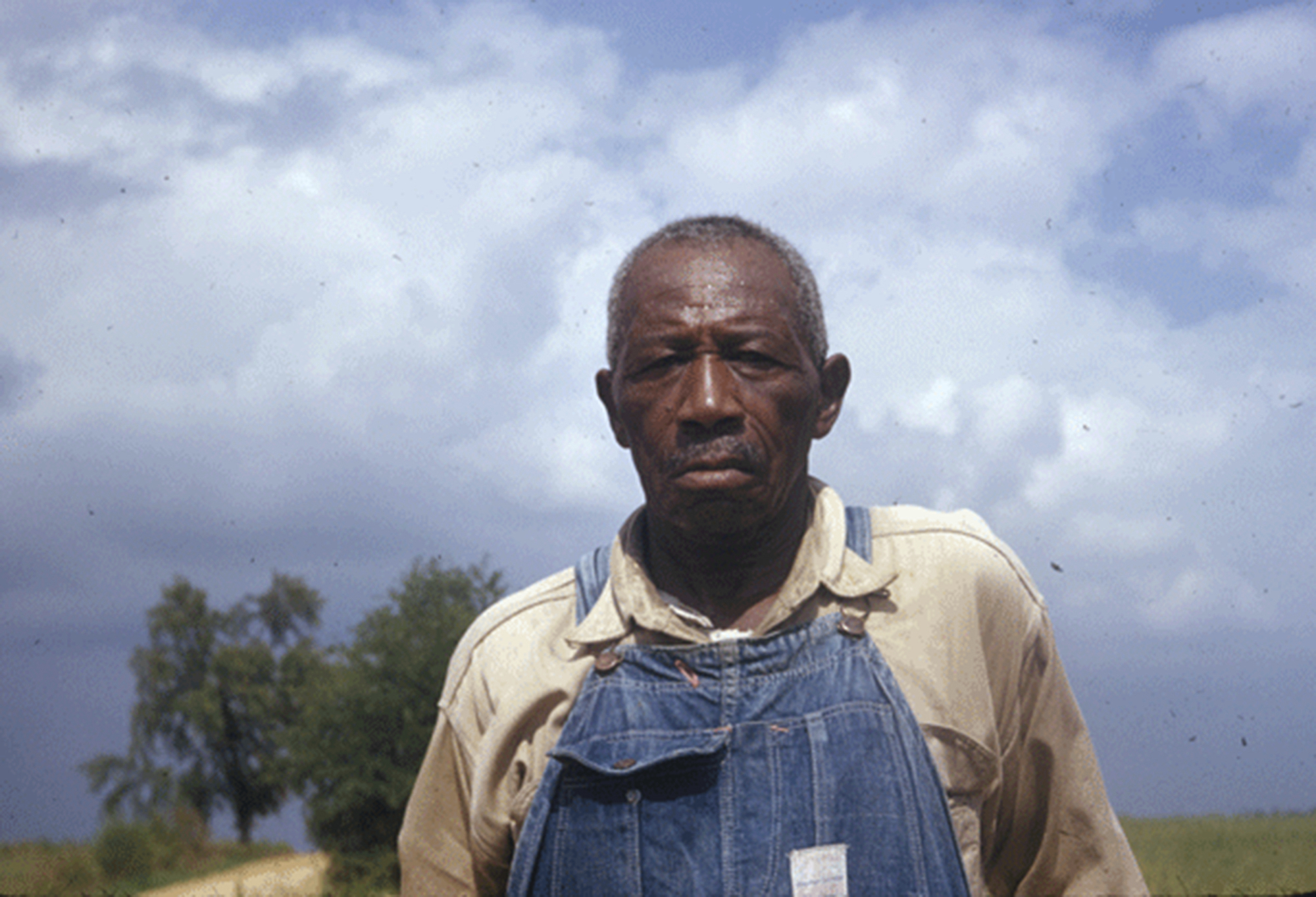
The men were told they were being treated for “bad blood.” In truth, the federal government enrolled around 600 black men from rural Alabama in a 40-year study of untreated syphilis.
On July 25, 1972, Jean Heller shocked the world with a story of what is now known as the “Tuskegee Study.” Fifty years later, it still casts a long shadow
The study that left Black men with syphilis untreated for decades was exposed as one of the biggest medical scandals in U.S. history in 1972.
WASHINGTON -- EDITOR'S NOTE -- On July 25, 1972, Jean Heller, a reporter on The Associated Press investigative team, then called the Special Assignment Team, broke news that rocked the nation. Based on documents leaked by Peter Buxtun, a whistleblower at the U.S. Public Health Service, the then 29-year-old journalist and the only woman on the team, reported that the federal government let hundreds of Black men in rural Alabama go untreated for syphilis for 40 years in order to study the impact of the disease on the human body. Most of the men were denied access to penicillin, even when it beca...