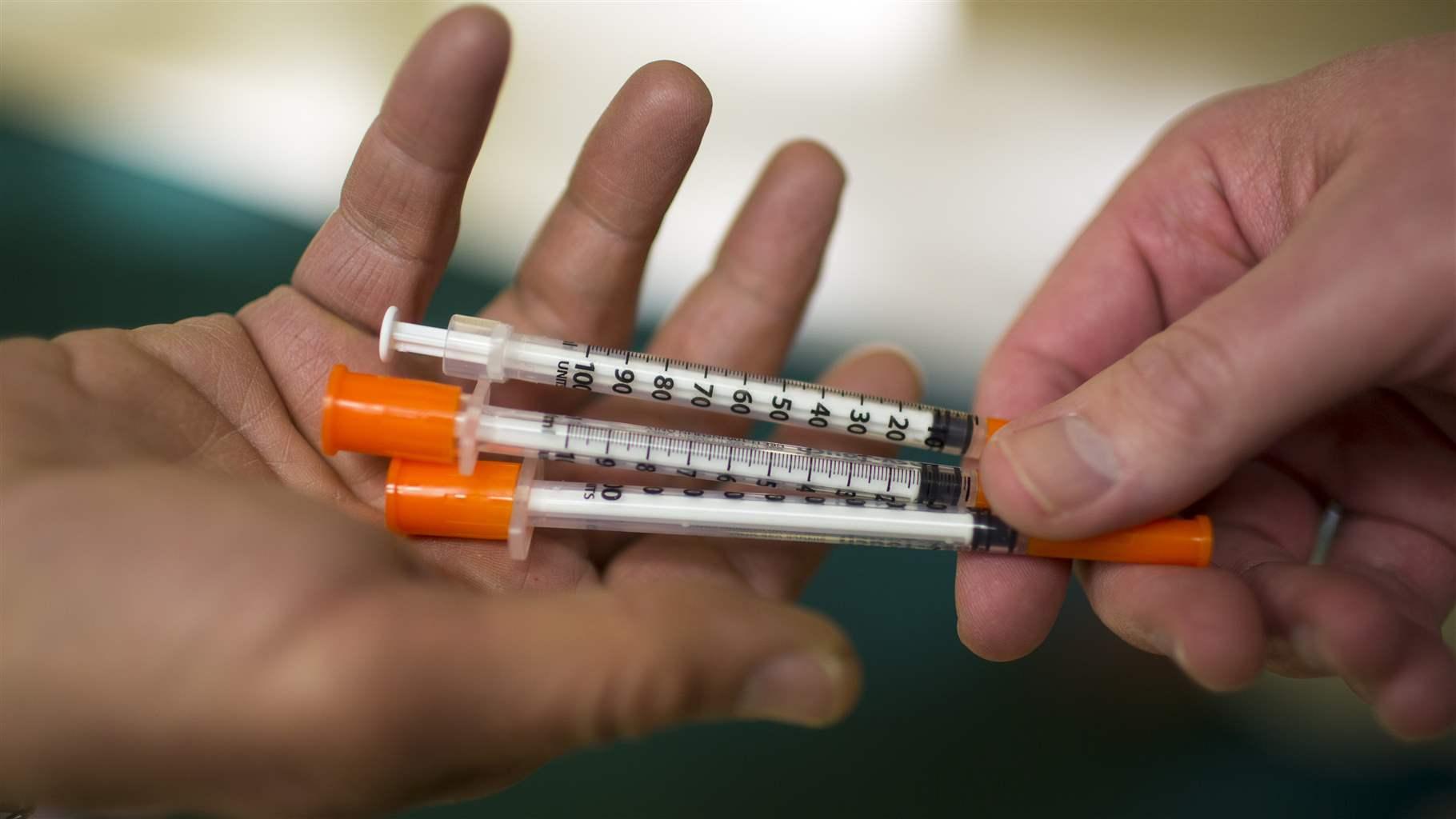
Robert Nickelsberg Overview Over the past decade, attempts to address the overdose crisis in the U.S. have resulted in more restrictive opioid prescribing policies—which, because they have reduced the overall availability of prescription opioids, have inadvertently led to a surge in the use of illicit drugs such as heroin. Because these illicit opioids are often injected, they’re associated with higher rates of overdose than prescription painkillers, and, when unsterile injection equipment is used or shared, people are at risk of getting a serious infection or transmitting disease. 1 As ...