Parallel universes cross in Flatland
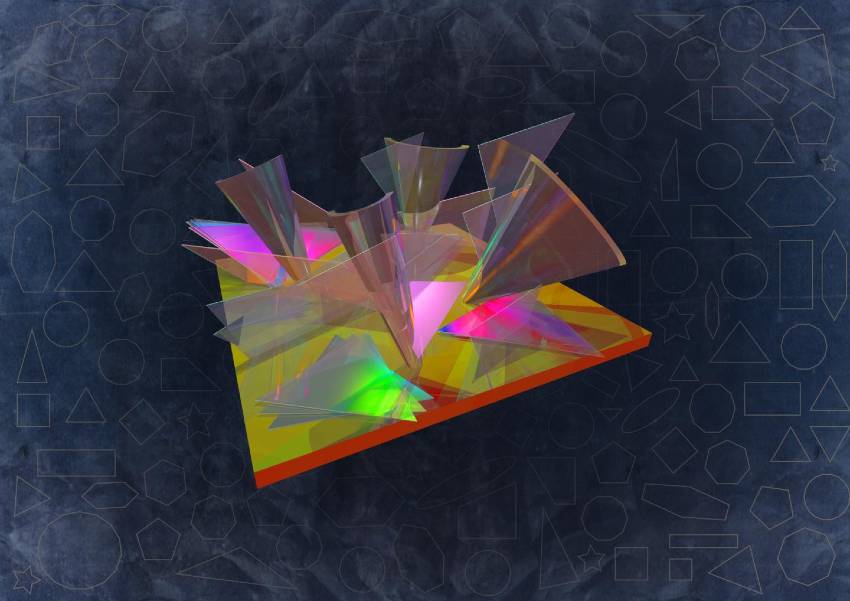
E-Mail IMAGE: 2D sheets intersect and twist on top of each other, modifying the energy landscape of the materials view more Credit: Ventsislav Valev In 1884, Edwin Abbott wrote the novel Flatland: A Romance in Many Dimensions as a satire of Victorian hierarchy. He imagined a world that existed only in two dimensions, where the beings are 2D geometric figures. The physics of such a world is somewhat akin to that of modern 2D materials, such as graphene and transition metal dichalcogenides, which include tungsten disulfide (WS2), tungsten diselenide (WSe2), molybdenum disulfide (MoS...
Source: eurekalert.org